Rothko in Florence
In 2026, Palazzo Strozzi hosted Rothko a Firenze, the most important Mark Rothko retrospective ever held in Italy. Curated by Christopher Rothko, the artist's son, together with Elena Geuna, it brought together more than 70 works from private collections and some of the biggest museums in the world, including MoMA, the Metropolitan Museum of Art, the National Gallery of Art in Washington, Tate and the Centre Pompidou, many of them shown in Italy for the very first time. It ran from 14 March to 23 August 2026, and my girlfriend and I spent a day there.
Palazzo Strozzi
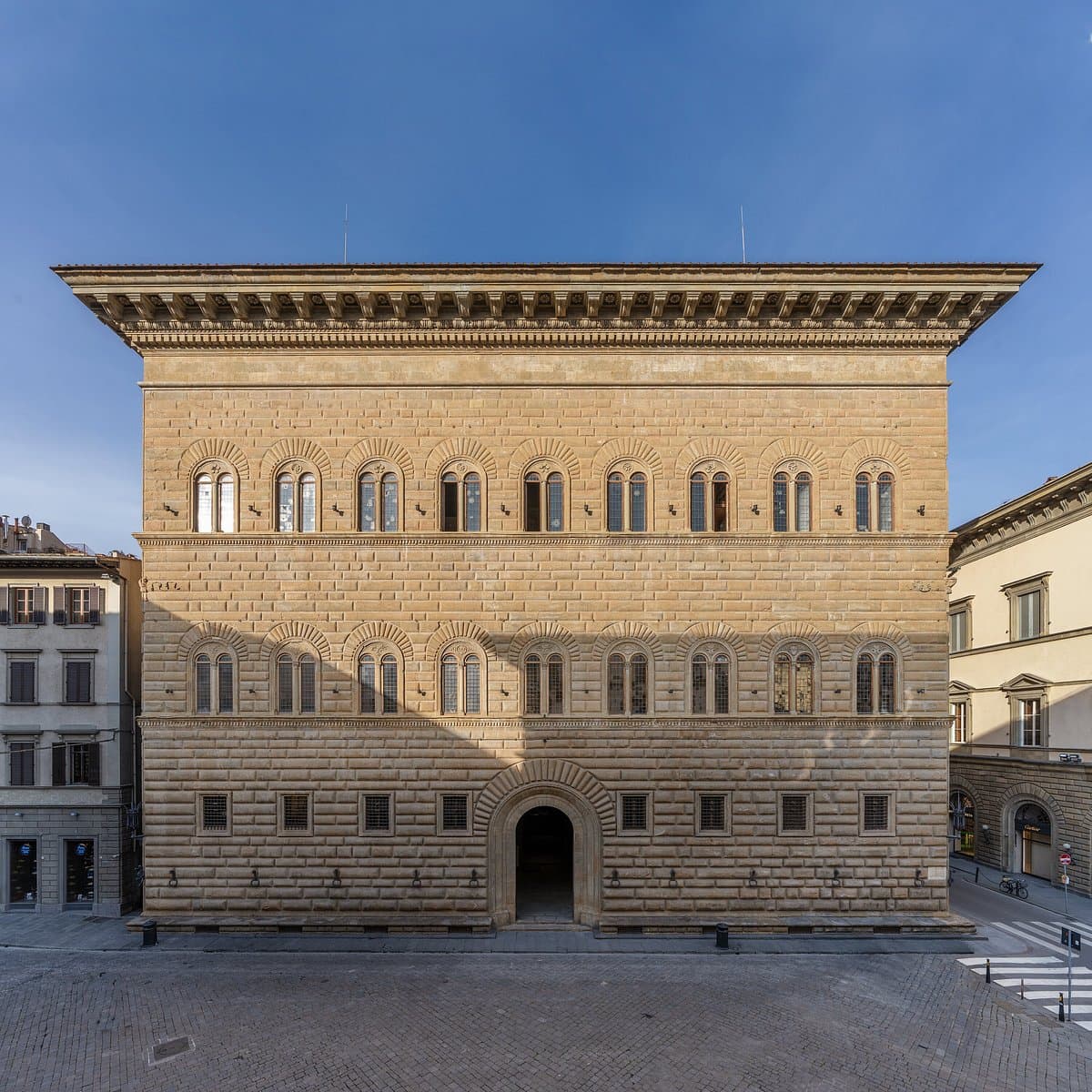
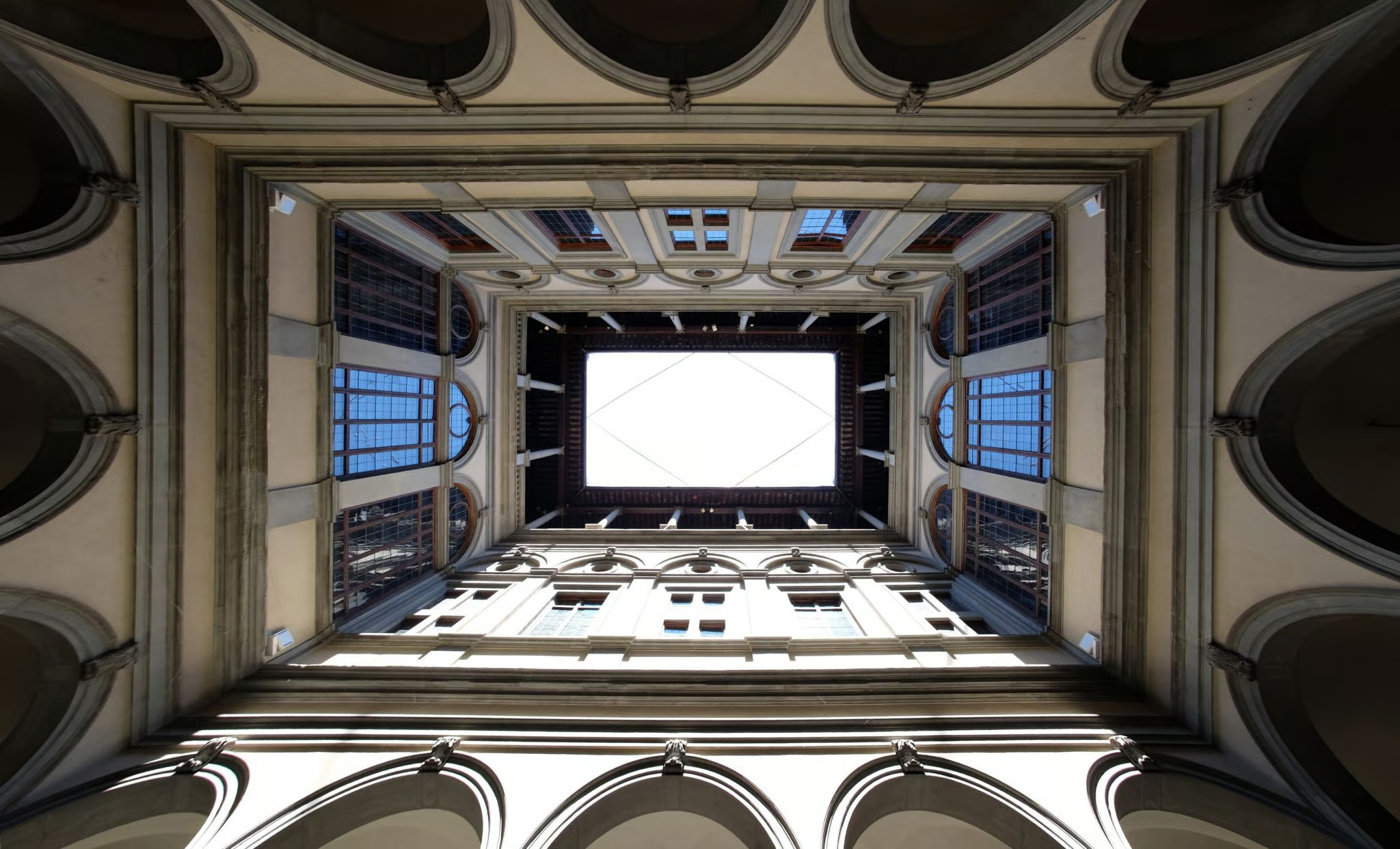
Palazzo Strozzi is one of the great Renaissance palaces of Florence. It was commissioned in 1489 by Filippo Strozzi, a wealthy banker and a rival of the Medici, who died only two years later, long before it was finished. Today, it is home to the Fondazione Palazzo Strozzi, which has turned it into one of the most important exhibition spaces in Italy, and the Rothko show filled its main floor, the piano nobile.
Who Was Mark Rothko?
Mark Rothko was born Marcus Rothkowitz in 1903, in what was then the Russian Empire and is now Latvia, and moved to the United States as a child. He became one of the leading figures of Abstract Expressionism in New York, and he is best known for his huge canvases of soft-edged rectangles of colour that seem to float on top of one another. He did not like being called an abstract painter, though: for him, those fields of colour were about basic human emotions, like tragedy and ecstasy, and nothing to do with decoration.
Why Florence?
The title of the exhibition was not just about where it was held. Rothko first came to Florence in 1950, on his first trip to Europe with his wife, Mell, and two places in particular stayed with him: the frescoes painted by Fra Angelico in the cells of the convent of San Marco, and Michelangelo's vestibule of the Laurentian Library, the tall, enclosed staircase hall next to San Lorenzo. He went back to see the vestibule in 1966.
For this reason, the exhibition did not stop at Palazzo Strozzi. Five of his works were shown at the Museo di San Marco, among Fra Angelico's frescoes, and two more inside Michelangelo's vestibule, so that his paintings could sit next to the very works that had inspired them. We only visited the main exhibition at Palazzo Strozzi, though, so that is what the rest of this article is about.
The Exhibition
The exhibition followed Rothko's career in chronological order. It started with the figurative paintings of the 1930s and 1940s, which look nothing like what most people picture when they think of Rothko, and moved slowly towards the large abstract canvases of the 1950s and 1960s that made him famous.
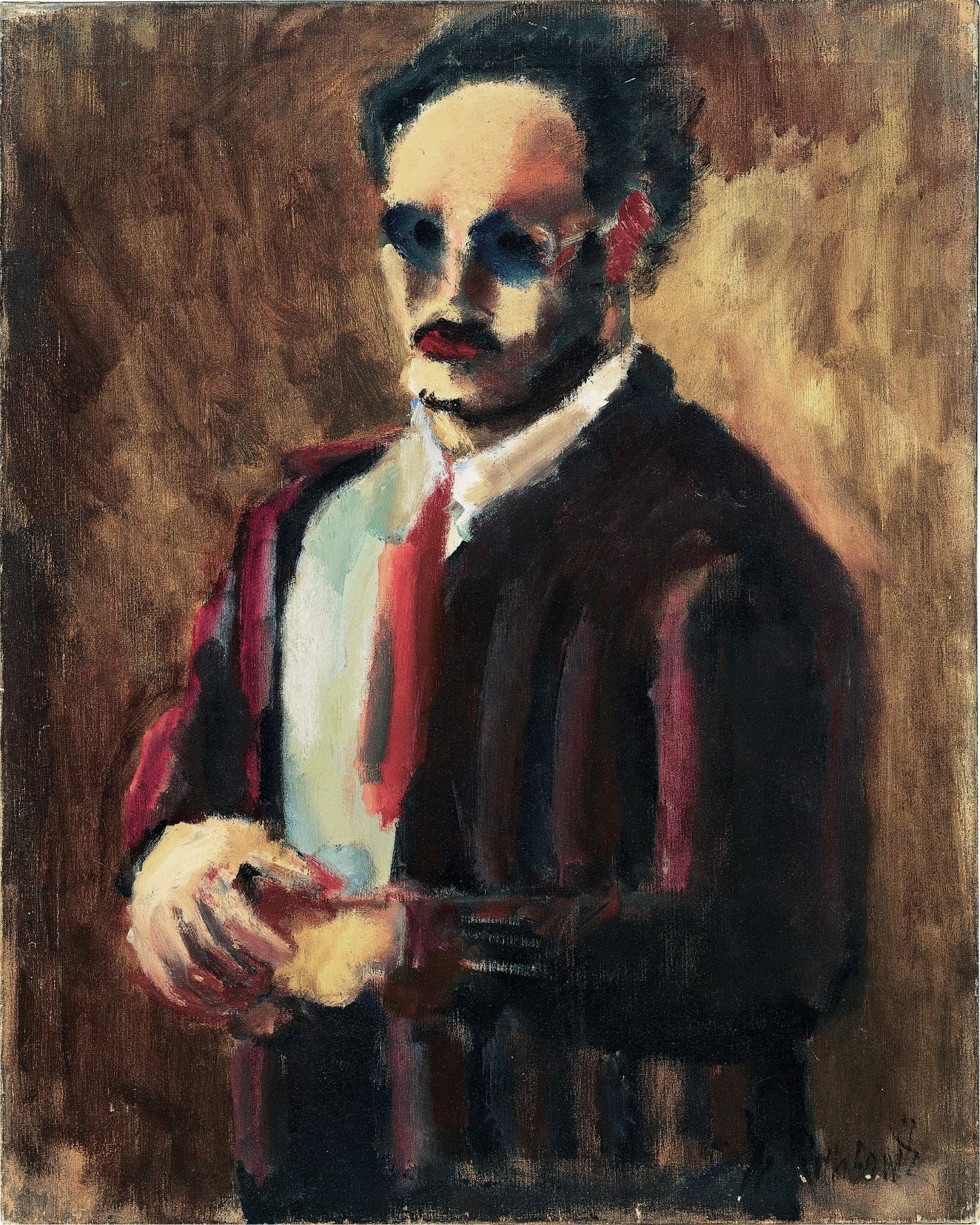
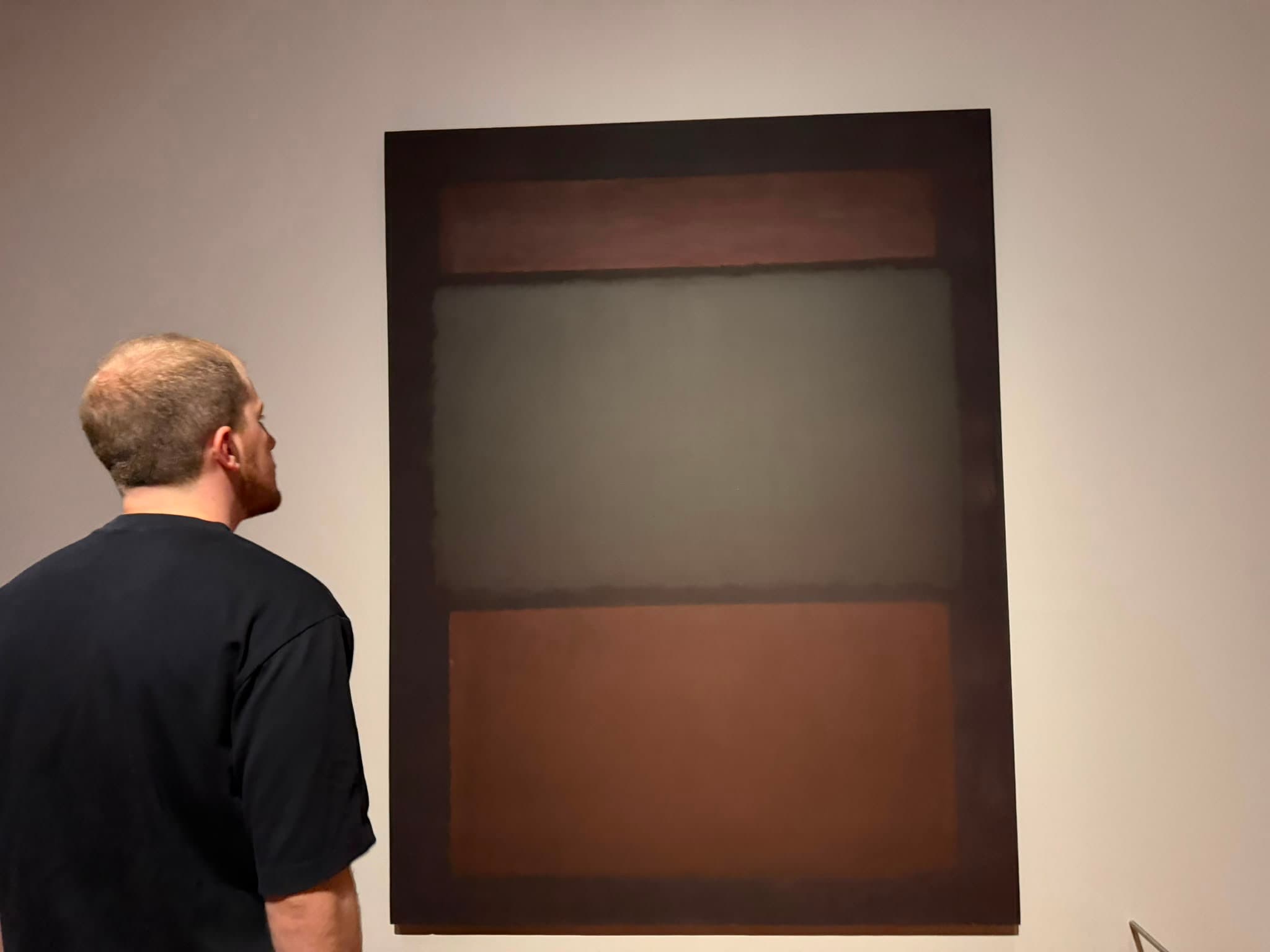
Rothko wanted his paintings to be seen up close, in quiet rooms with soft lighting, so that they fill your whole field of vision rather than hanging on a wall like a picture. Standing in front of the big colour fields, you quickly understand why: the edges blur, the colours seem to glow from within, and the longer you look, the less they feel like rectangles of paint.
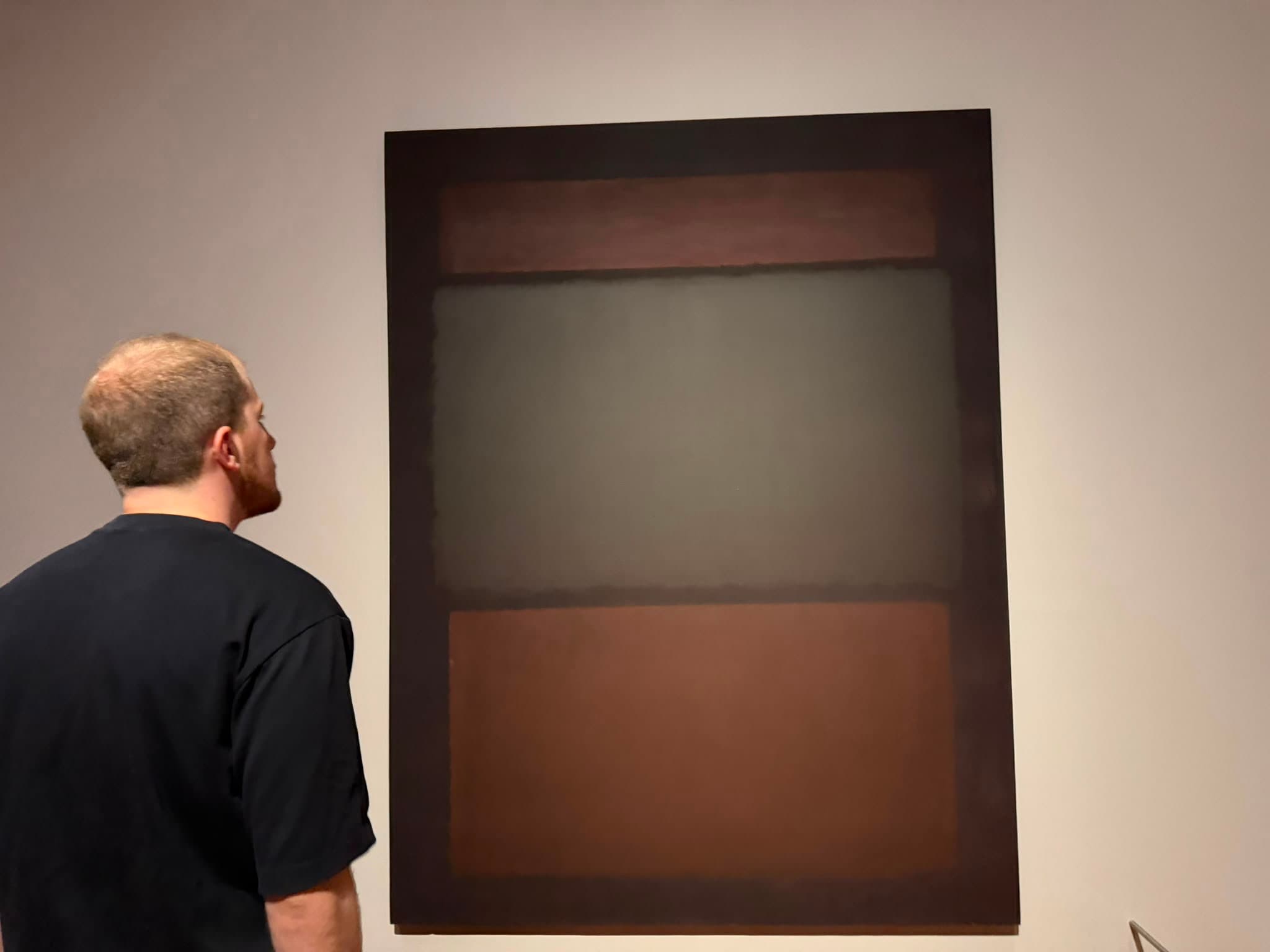
Towards the end, the colours get darker, with deep reds, browns and blacks, and the mood in the rooms changes with them. It is a quieter, heavier way to finish, and probably the part that stays with you the longest.
Before You Go
The exhibition has now closed, but most of what makes Florence the right city for Rothko is still there:
- Visit the Museo di San Marco. Walking through the friars' cells, each one with its own Fra Angelico fresco, means seeing exactly what Rothko saw here.
- See Michelangelo's vestibule. The Laurentian Library is right next to the Basilica of San Lorenzo, and its staircase hall is small enough to fit into any day in Florence.
- Keep an eye on Palazzo Strozzi. It hosts major exhibitions throughout the year, and it is always worth checking what is on before a trip to Florence.
- Take your time. Rothko is not an artist to rush through. Give each room a few minutes, and sit down when you can.