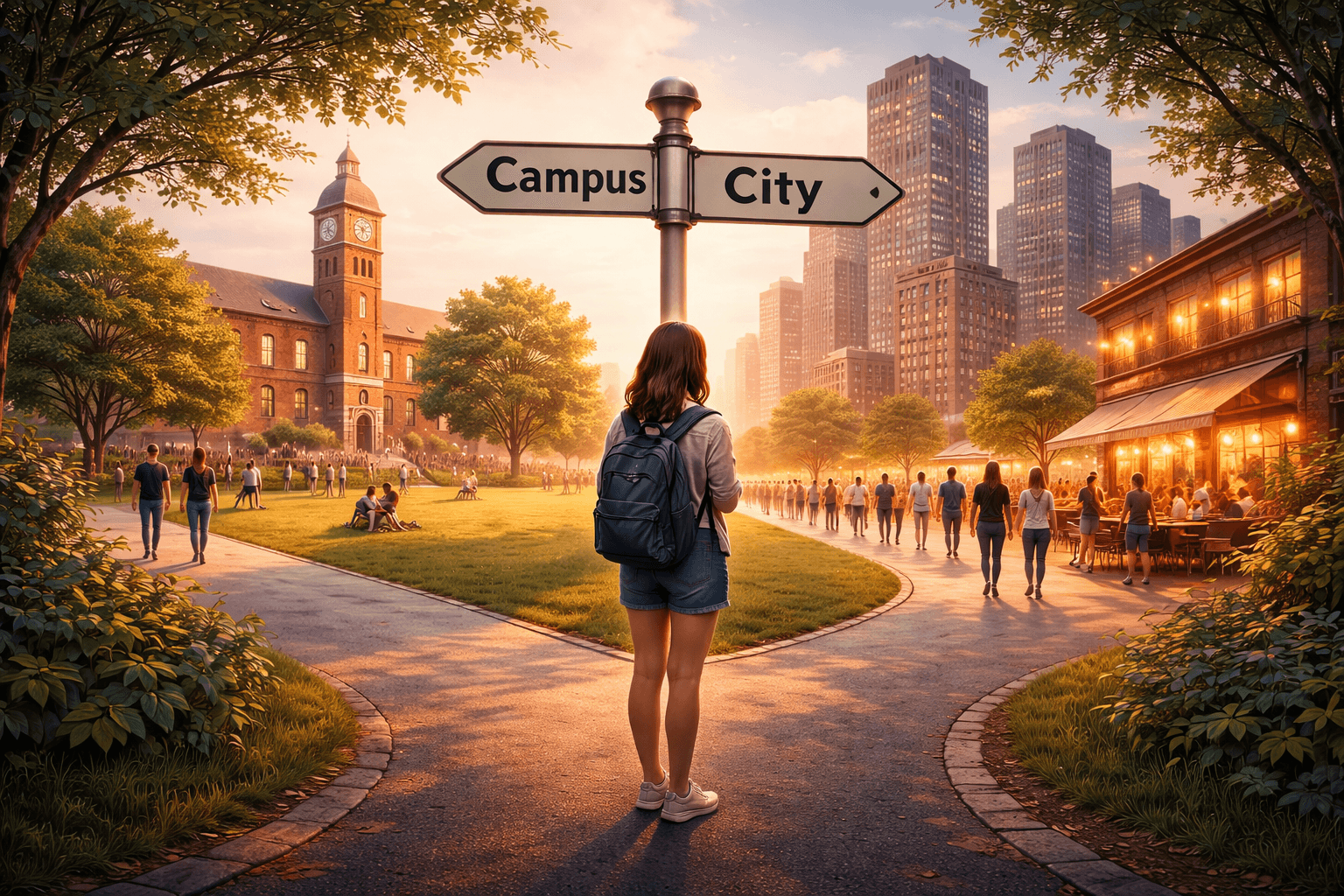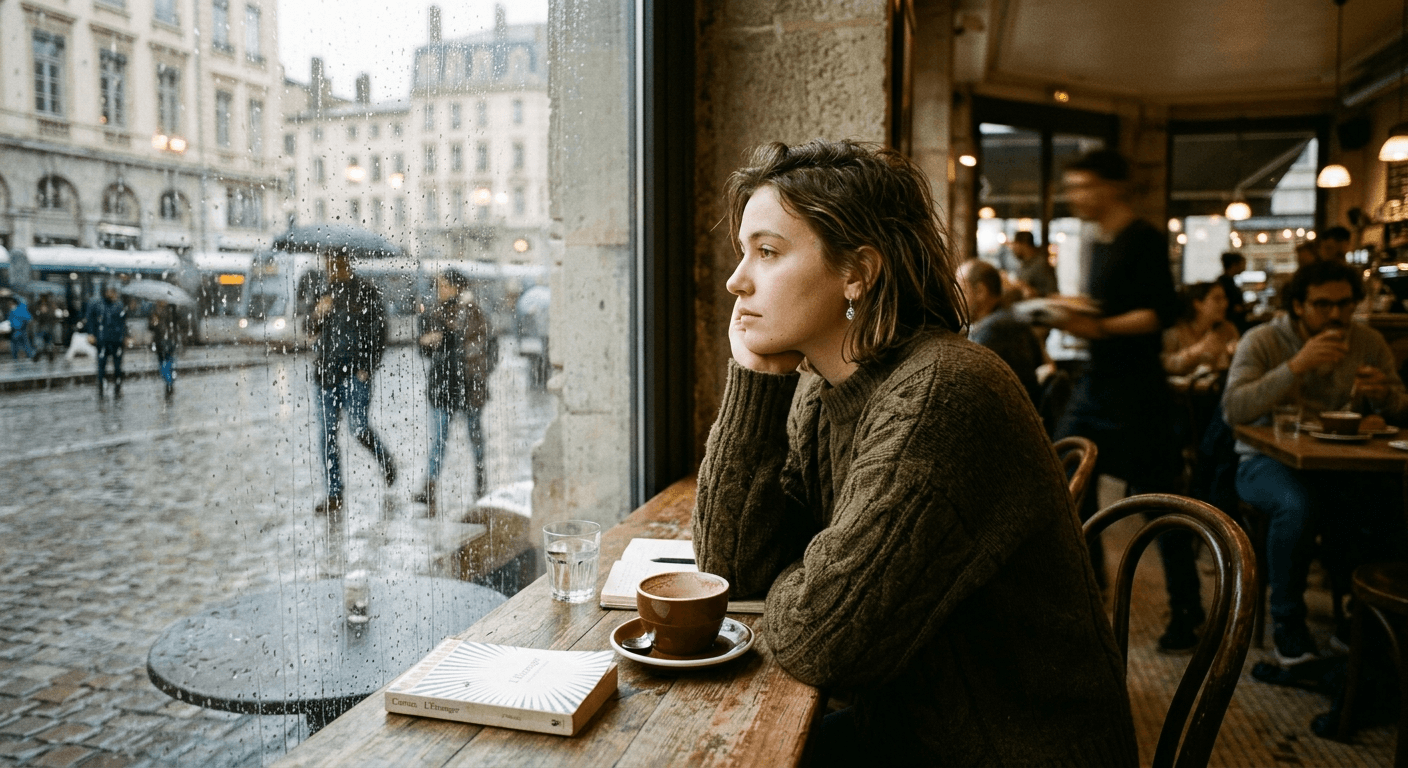
The Loneliness Nobody Talks About When You Move Abroad
When I first lived abroad, the place felt alive in a way my old life never had. Every day there was something new, something fresh to see, hear, taste, and eat. Even simple things felt charged with meaning. The purchase of bread, the identification of a suitable bus, and the comprehension of a new language with all its nuances. Everything asked for attention. 25% to 78% of international students report significant loneliness or social isolation, according to recent reviews of international research.
The first time, the energy hides a lot. It can even hide loneliness abroad.
You convince yourself that you're doing great because you have a lot to do. Classes, work, errands, messages, plans, and places to go. You are introduced to new people in hallways, events, shared kitchens, trains, group chats, and classrooms that seem to police and empty out each week.
This is the thing I didn't know, and no one told me. I had no time to be alone, and as far as I felt alone, there were some days that I felt more lonely than I ever did at home.
Feeling Lonely Abroad Even When You're Never Alone
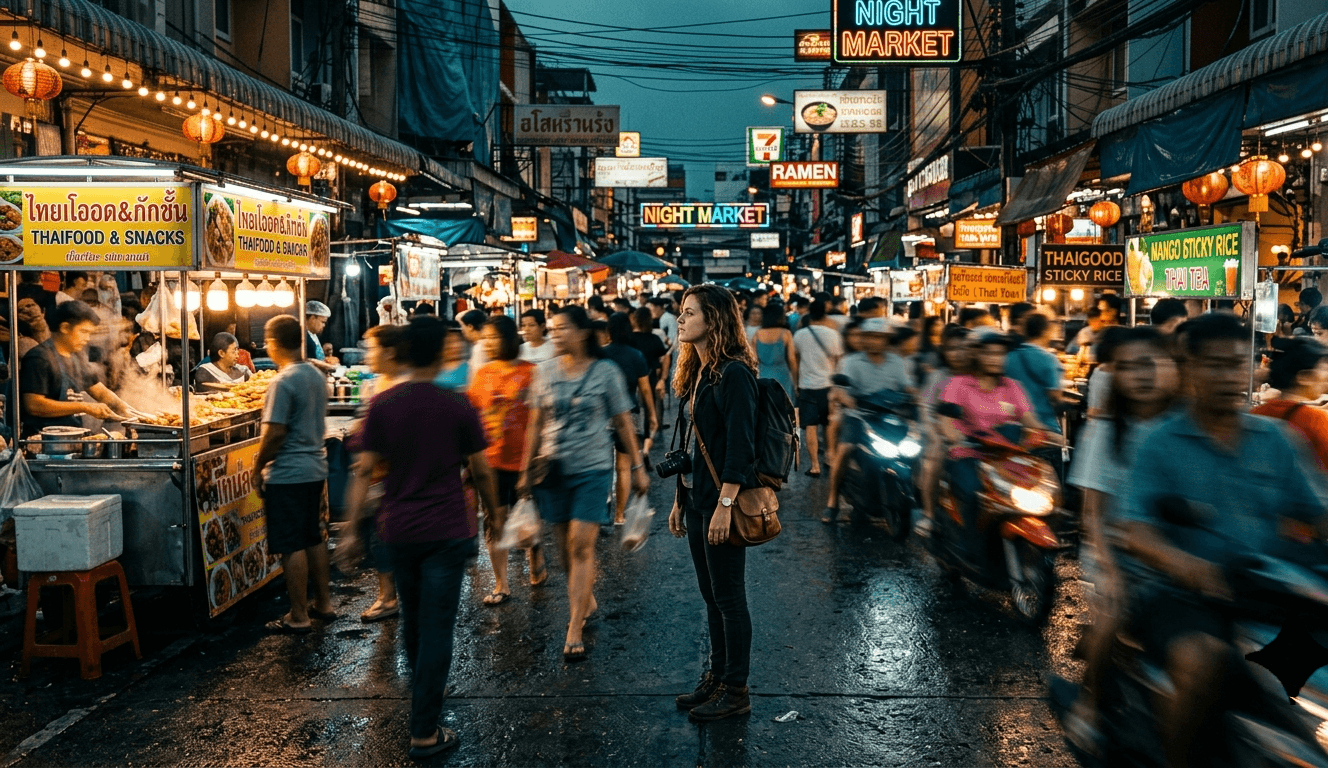
There is a kind of loneliness that comes from being physically alone. Then there's the challenging one, when everybody is around, and nobody knows you at all. In a 2025 UK survey, 70% of students living in university accommodation reported feeling lonely or isolated, with one-third saying they felt that way often. Was that I spent the entire day talking to people, yet I would still return home with the feeling that none of them had truly reached me. The hours were filled with small talk. Real closeness never came.
Names are remembered rapidly overseas. You get to grips with saying hello, responding to where you're from, and being able to smile at the right moment. You have to abide by small talk, or you get exhausted. One becomes adept at the art of being pleasant. While this may enable you to manage the first few months, it’s not always comfortable.
Personally, I used to see how many times a day I would speak and how few times a day I would actually say what was in my heart. That gap matters.
Culture Can Make Distance Feel Invisible
A lot of loneliness abroad comes from things people do not see right away. It's not always about language, but language matters. It also concerns rhythm, tone, humor, timing, what people don't say, etc.
In one place, being direct can sound rude. In another, being indirect can sound cold. What goes great at home doesn't go so well out of it. Overall warmth of style may be interpreted as "over-the-top". A quiet style can be interpreted as having a lack of interest.
All this is confusing and wears you down.
You begin monitoring yourself more and more. Did I say the wrong thing? Was that too blunt? Did they think I was strange? Should I explain more, less, or not at all? Before long, you realize it's possible to edit yourself before you even open your mouth.
That is exhausting, and not many people are aware of it. You are not just learning to settle in a new place, but also learning a new language. It's where you're attempting to be understood.
Feeling Lonely Studying Abroad When Words Fall Short
Even with perfect English, you can't speak it all the way. There you'll find food, guidance, and class conversation. The details can be taken care of. The next level up makes things more difficult.
It is one thing to say you had a bad day. It is another to explain what kind of bad day it was, and why it made you miss home, and why that feeling surprised you, and why you did not want to admit it.
There are some feeling that takes a different form when you learn to transfer through another language.
This can keep you more silent than your own country does. It may cause you to feel smaller. Not because your thoughts are smaller, but not as readily transferred to another person's understanding.
I believe that's why so many people out there feel divided in their hearts. One self is engaged in doing. Another self waits to speak, safe.
Social Media Makes The Gap Feel Wider
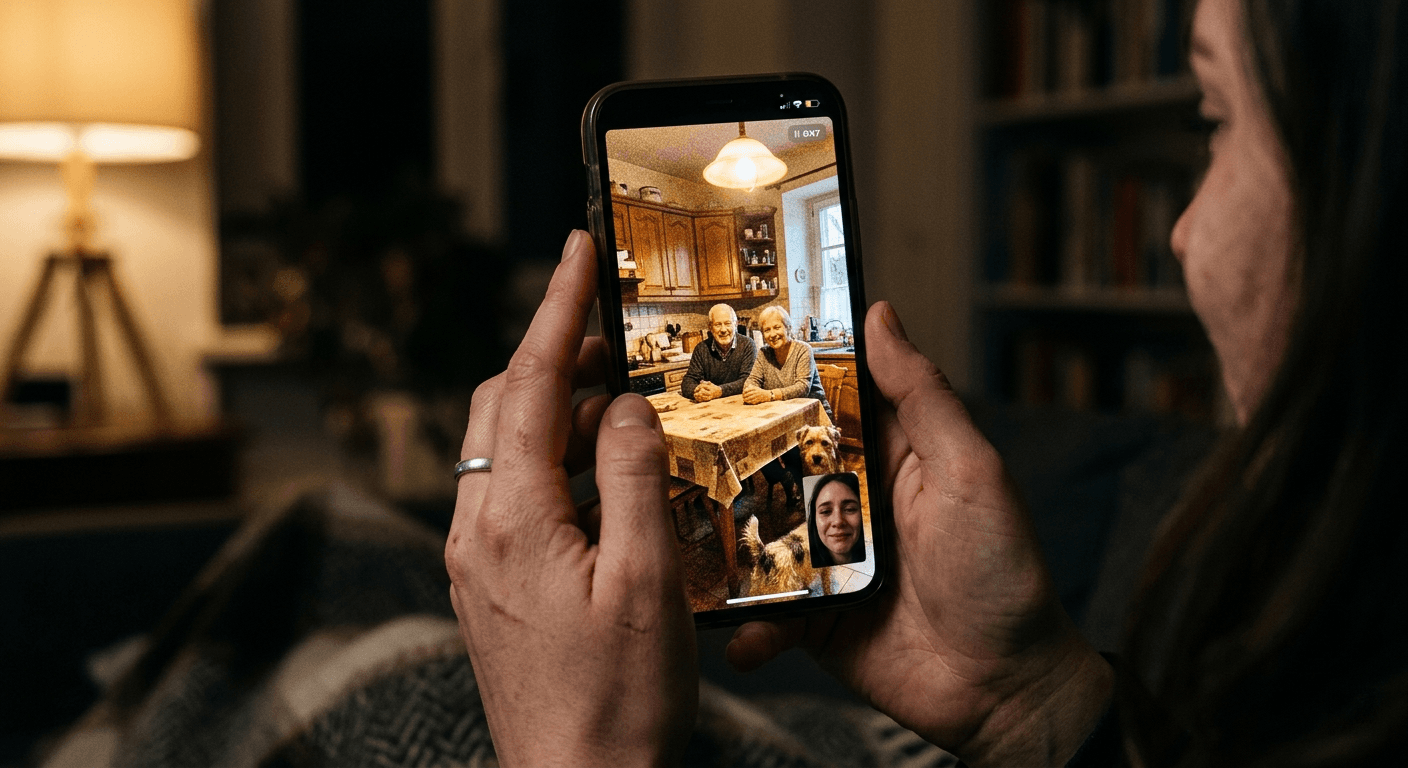
Then there is the screen. It lets everyone else know they are walking by, eating with friends, taking photos of them on nights out, on holiday, or celebrating something, moving and smiling. These posts, though, even if they are just pieces of the puzzle, have an impact.
521 international students who took part in the BBC Loneliness Experiment described loneliness as affecting their emotional health, social life, and ability to build meaningful relationships.
You might be sitting by yourself in a rented room, scrolling through pictures of people that appear settled, connected, and knowledgeable, where they fit into the world. That's a comparison that falls on lonesome days.
When you're at home, your old life continues without you. Those who you know are still laughing at you, working, complaining, and planning. You are in it, and you are out of it. Social media makes that distance prominent.
It can also boost how social your life is while you're living abroad. A picture from a dinner or a party can suggest closeness that never really got past the surface. You were there. You laughed. You were left out of the house by yourself. This is actually correct and true.
Routine Exposes What Novelty Hides
It can be very exciting in the first months abroad as so much is new to you. Sometimes loneliness can be camouflaged even then. Your actions are so reactive that you don't even realize where you've downpoured yourself a little.
Then routine arrives.
Wakes up, heads to school/work, shops for food, reads messages, goes home, opens your computer, and starts again. When it gets silent, it gets extra noisy. The gaps are clearer to hear. The supports you found at home are not only far away, but also out of reach. It is also difficult to replace them.
At home, there may have been those who lived there who knew what to expect from you without asking. They were familiar with your moods, your background, your jokes or humor, your weaknesses, and your past. In other countries, you will most likely need to create a new environment, by yourself, in addition to living your day-to-day life.
That takes energy. Some days you have more than others.
Small Moments of Belonging Matter
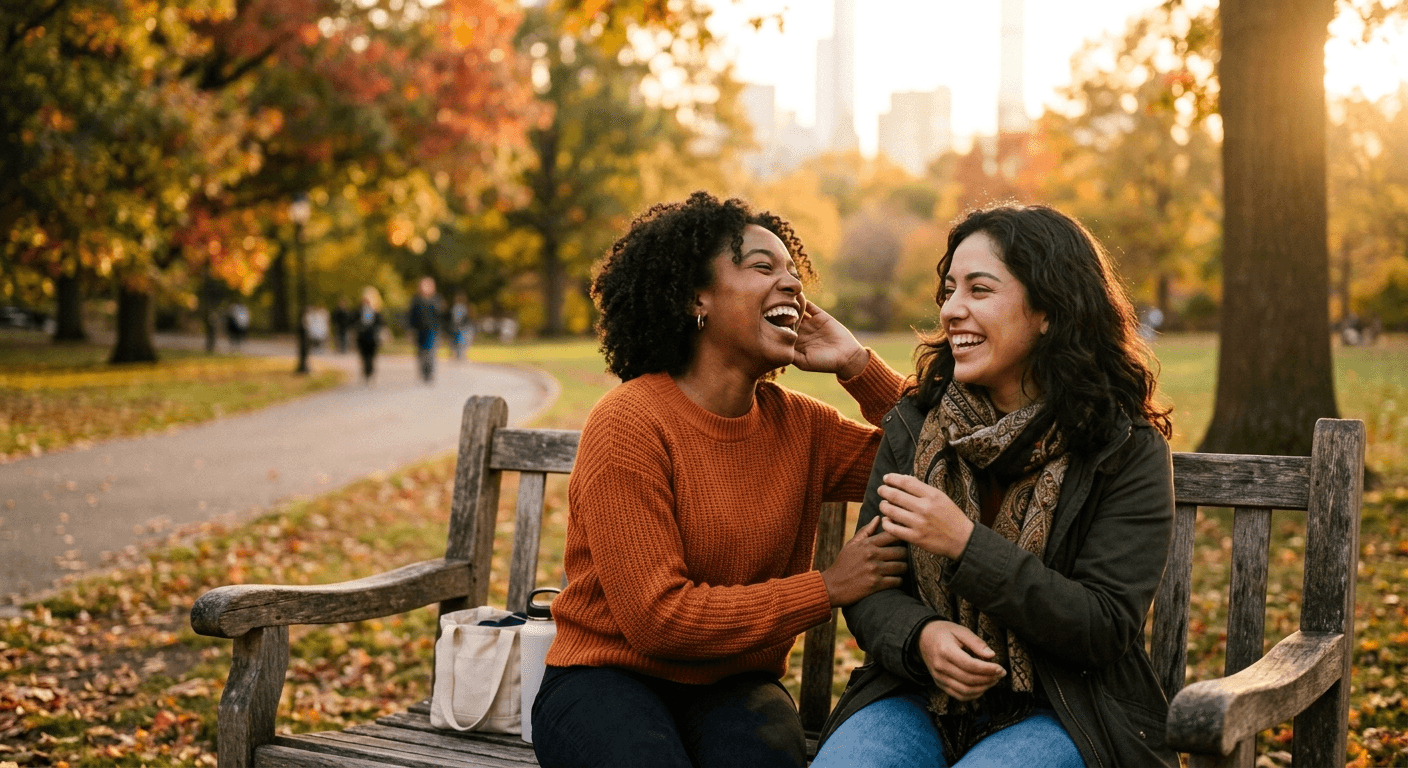
Still, loneliness in other countries does not apply to all.
Sometimes belonging starts in very small places. One of the members of the class recalls your name. The neighbors greeted with two “hi.” You feel, you see, you are tired, somebody feels, and doesn't keep the conversation at the surface level. A friend invites you twice, not once. Same cashier, different day. Instead of cutting your accent out of the conversation, a teacher folds it into it.
Sometimes, for me, the easiest way to calm myself was to switch to normal plans.
A tea that is classic to the neighborhood store. An evening walk at the same time of day. A bench that was close to campus, that no one would notice me sitting on. That's a call home at the right time that was delivered. The food I made that I could not eat because it was bad, but I did eat it slowly, so that I would carry a memory of what I was before my life changed.
There's no special order about it either when it comes to belonging. It sometimes starts when your body eliminates the sense of being the stranger in each room.
The Self Changes Under Pressure
Being in a foreign country affects your schedule, but there's more to it. It alters the way you see yourself.
You begin to see that some aspects of your self are changeable and others are fixed. You realize what you are most grateful for and what you're ok to put behind you. The experience of independence is learned and is often a lonely one, and the loneliness may compel honesty.
When you're back home, you might have known a version of yourself that was already known. That version doesn't work out of the box anymore when used abroad.
It is common sense that when it becomes common practice, if a company, language, and routine become familiar, what happens? You know what you are when no one else knows your past except as a story. Hard, but true.
What Helps
I believe the key is not to pretend that you're not alone. This typically makes it worse.
Luck lies in a good conscience. Naming the feeling. Acknowledging that a busy life is sometimes empty. Not losing out on home without it being a failure. Don't rush into things when it comes to real relationships.
It's also a good idea to continue working in a direct manner. Go to activities more than once. Stay after class. Accept the invite. Repeat to ask the second question. Be honest when you ask someone, "How are you?" Stay connected with home, also, people who know you can stabilize you as you settle into your new home.
Primarily, it assists in preventing the view of loneliness being equated with a personal problem. Sometimes it's that living in the world is expensive.
Final Words
Being abroad can make you feel expanded and erased at the same time. You are learning, changing, and seeing more of the world. You are also carrying a loneliness that does not always fit the life people imagine when they hear you moved away.
That loneliness abroad is real. So is the courage it takes to stay open inside it.
Over time, some of the emptiness gives way. Not all at once, and not in a neat way. But slowly, through routines, small kindnesses, awkward conversations that turn into real ones, and the decision to keep showing up, a new life begins to take shape.
And sometimes, that is how belonging starts.