Becoming a Rescue Diver
During our week at Fort Arabesque in Makadi Bay, just south of Hurghada, I finally did something I had been putting off for a long time: the PADI Rescue Diver course, together with Emergency First Response Primary and Secondary Care. I did all three with iDive, the dive centre inside the resort, and if you already dive, it is a course I would recommend to anyone.
Most diving courses are about you: your buoyancy, your air, your skills. Rescue is the first one that is really about everybody else. It teaches you how to spot a problem before it happens, how to handle it when it does, and how to keep a clear head while doing it.
iDive Makadi Bay
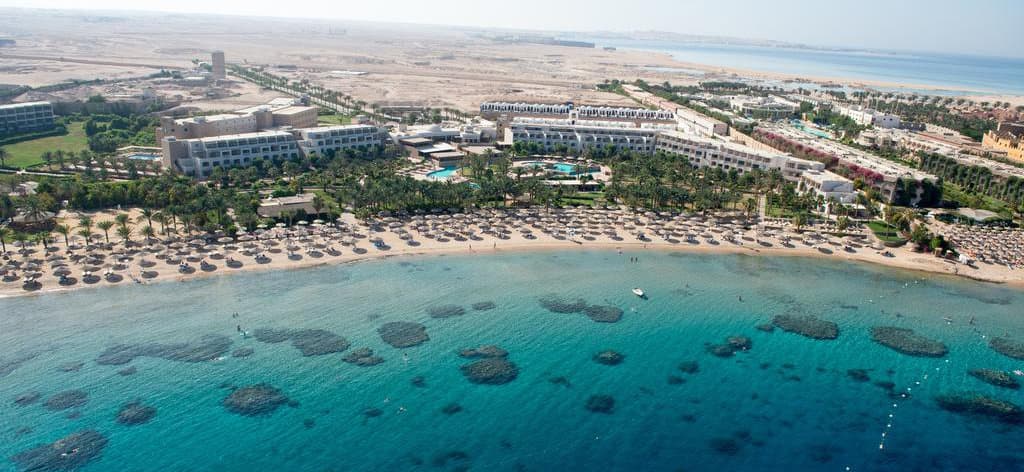
iDive has been based at Fort Arabesque since 2006. It is a PADI 5 Star IDC centre, which means it trains not only recreational divers but future instructors too, and it is also a PADI Eco Centre and part of Green Fins, an initiative that promotes responsible diving and snorkelling to protect coral reefs. On top of the courses, the centre runs free marine biology lessons every week.
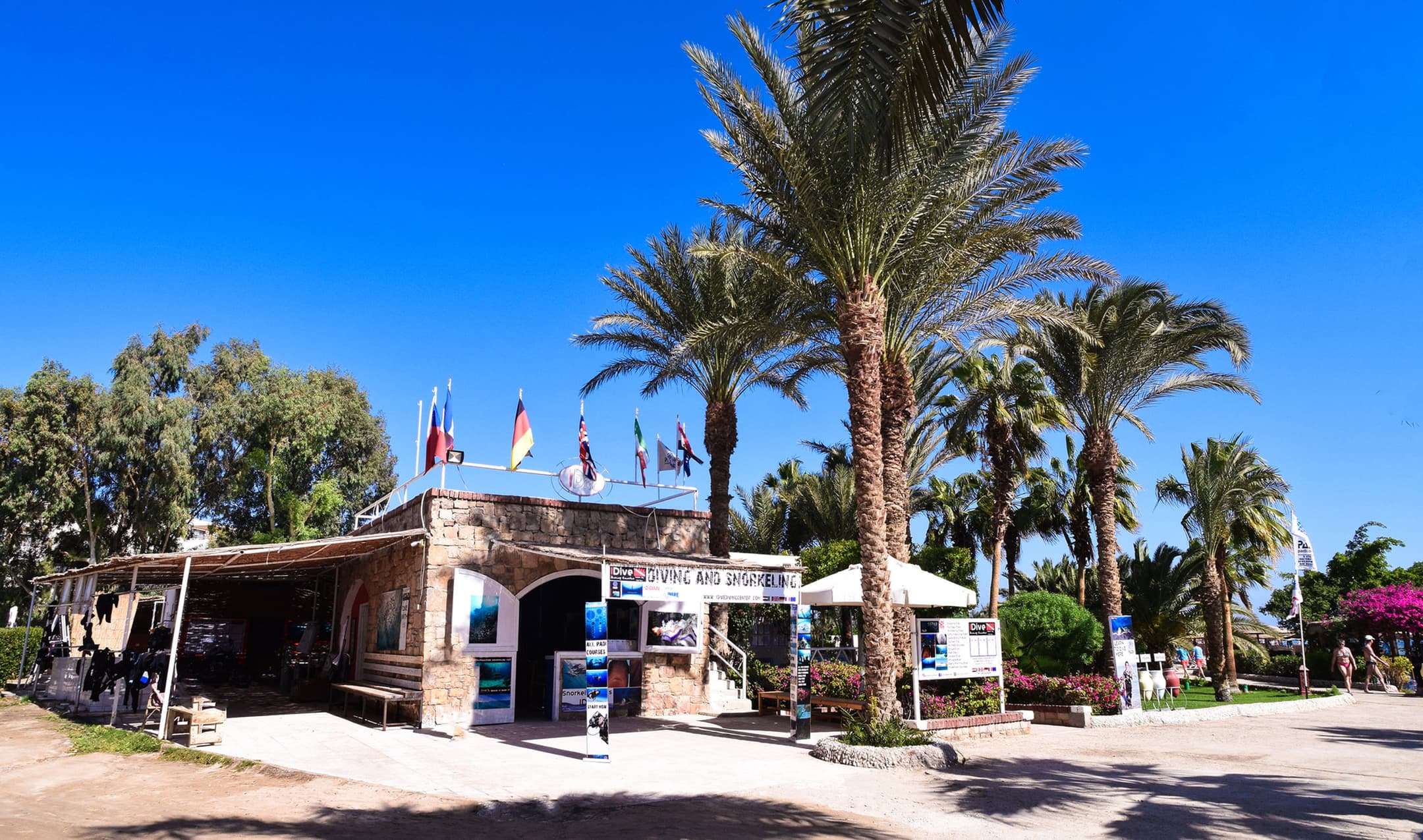
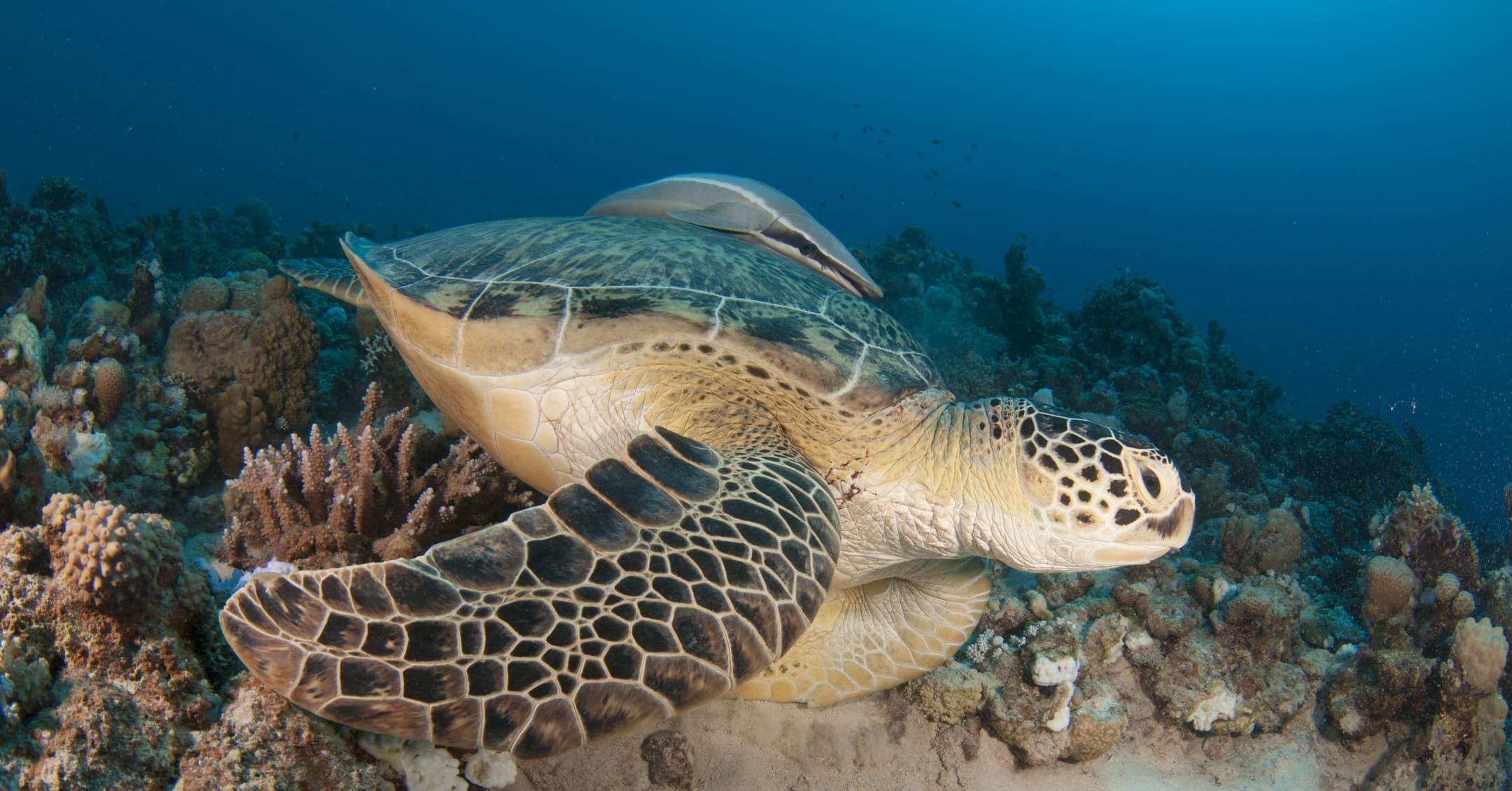
The best thing about iDive, though, is that the reef starts right in front of it. The house reef is a shore dive straight from the beach: a gentle descent onto a sandy plateau dotted with coral pinnacles, which then opens into a coral garden, with turtles, giant moray eels, big groupers and stingrays all regularly spotted.
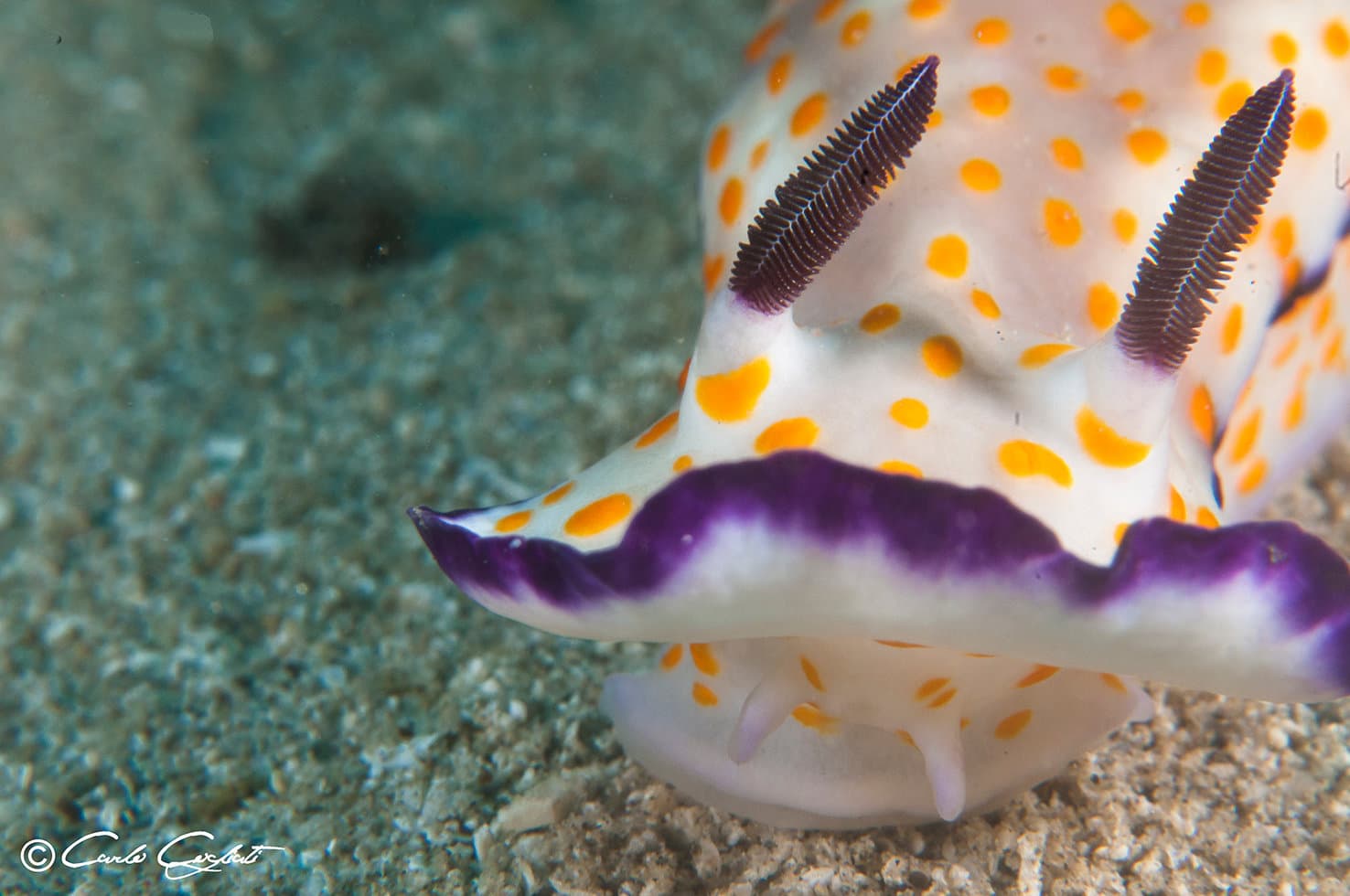
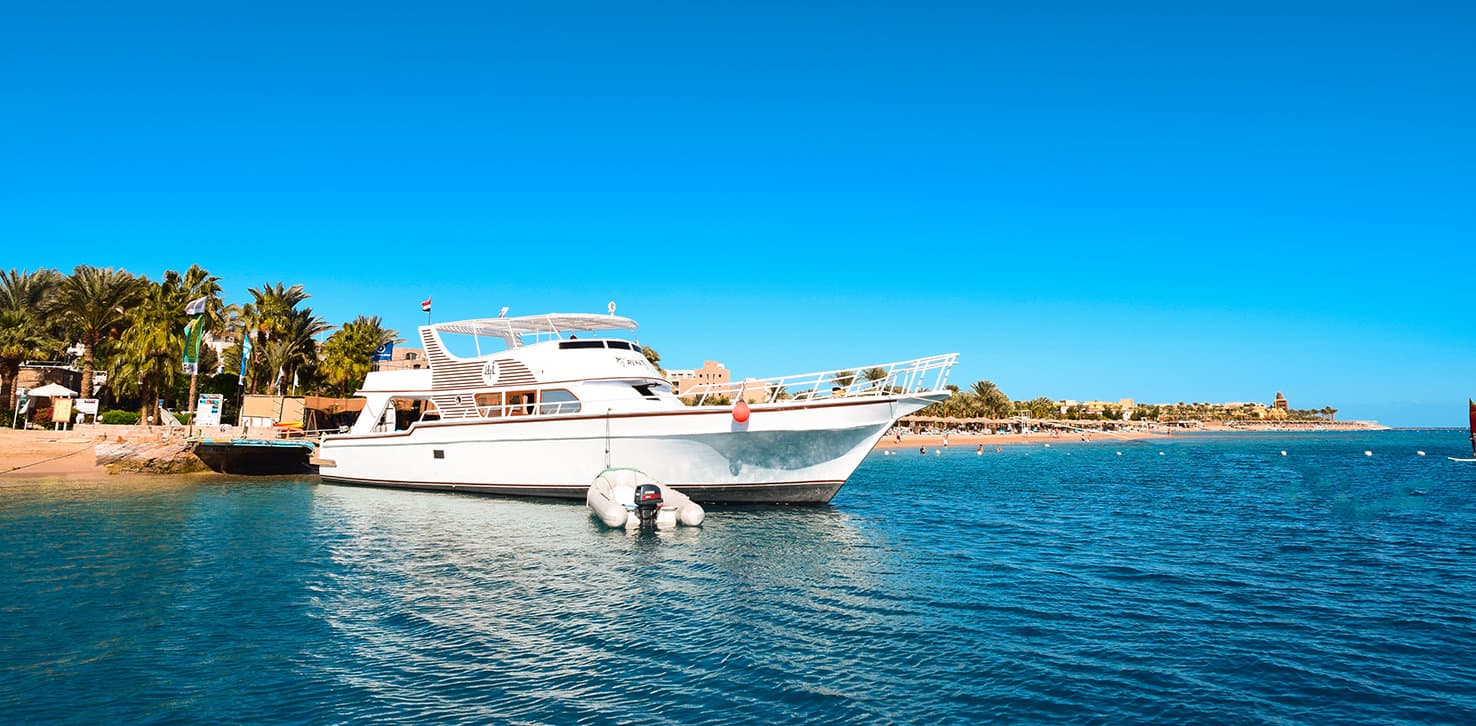
A second shore site, Relittino, means following a compass bearing to the remains of a small felucca, a traditional wooden sailing boat, which makes it perfect for navigation practice. For everything further away, from the reefs of Abu Hashish to the Salem Express wreck near Safaga, the centre runs boat trips.
Step One: EFR Primary and Secondary Care
Before you can become a Rescue Diver, PADI requires you to have trained in CPR and first aid within the last 24 months, and the Emergency First Response course is the way most divers cover it. It is split into two parts.
Primary Care deals with life-threatening emergencies: checking whether someone is breathing, CPR, using an AED (automated external defibrillator), controlling serious bleeding, and managing shock and possible spinal injuries.
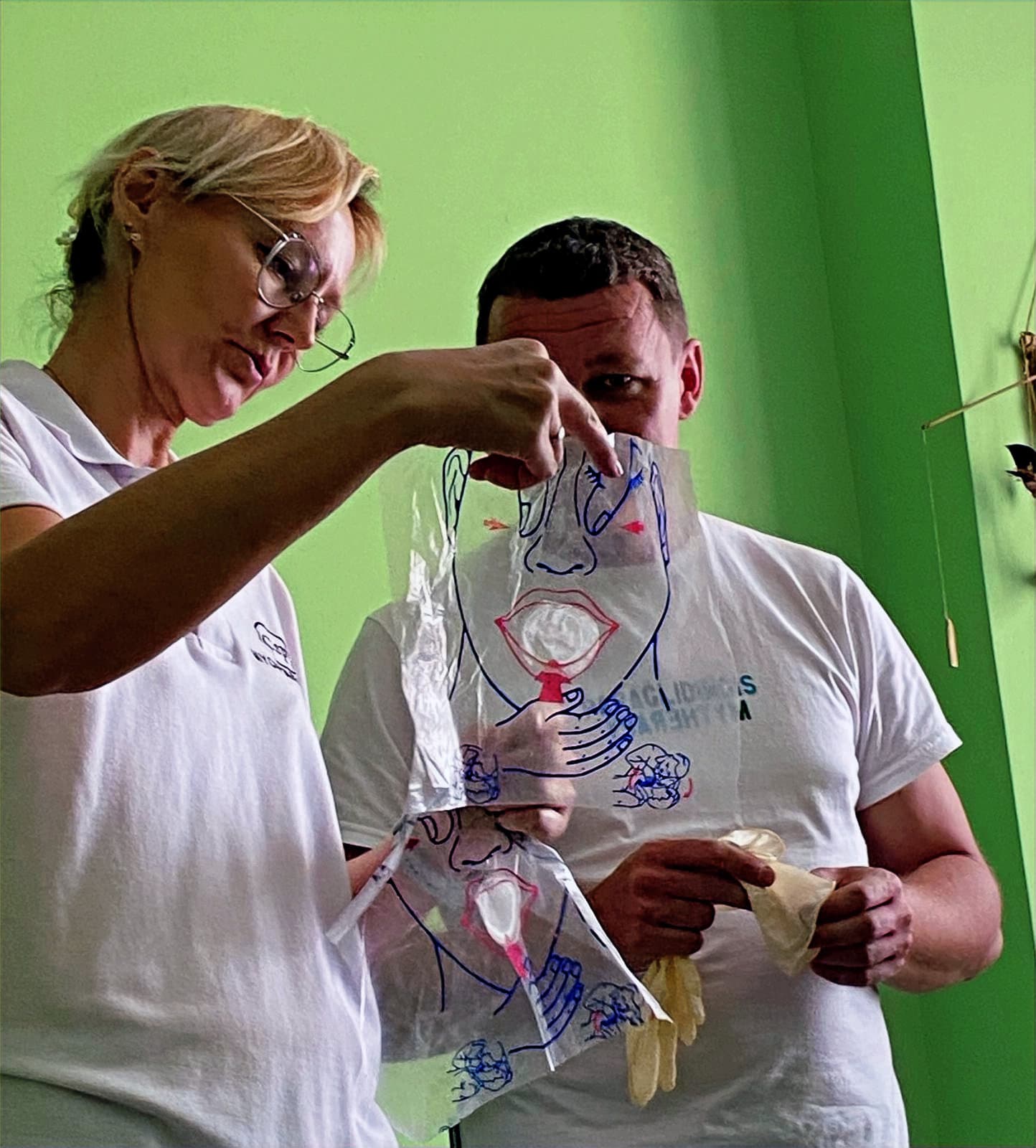
Secondary Care covers everything that is not immediately life-threatening but still needs attention: assessing injuries and illnesses, bandaging, and splinting dislocations and fractures until help arrives.
The interesting thing about EFR is that it has nothing to do with diving at all. It all takes place on dry land, with plenty of hands-on practice, and everything you learn applies just as much on a street in Berlin as on a boat in the Red Sea. Of all the certifications I have, it is probably the one I hope I never have to use, and the one I am most glad to have.
Step Two: PADI Rescue Diver
To start the Rescue Diver course, you need to be at least 12 years old, hold the PADI Adventure Diver certification with the Underwater Navigation dive (or the Advanced Open Water), and have your EFR, or equivalent CPR and first aid training, from the last 24 months.
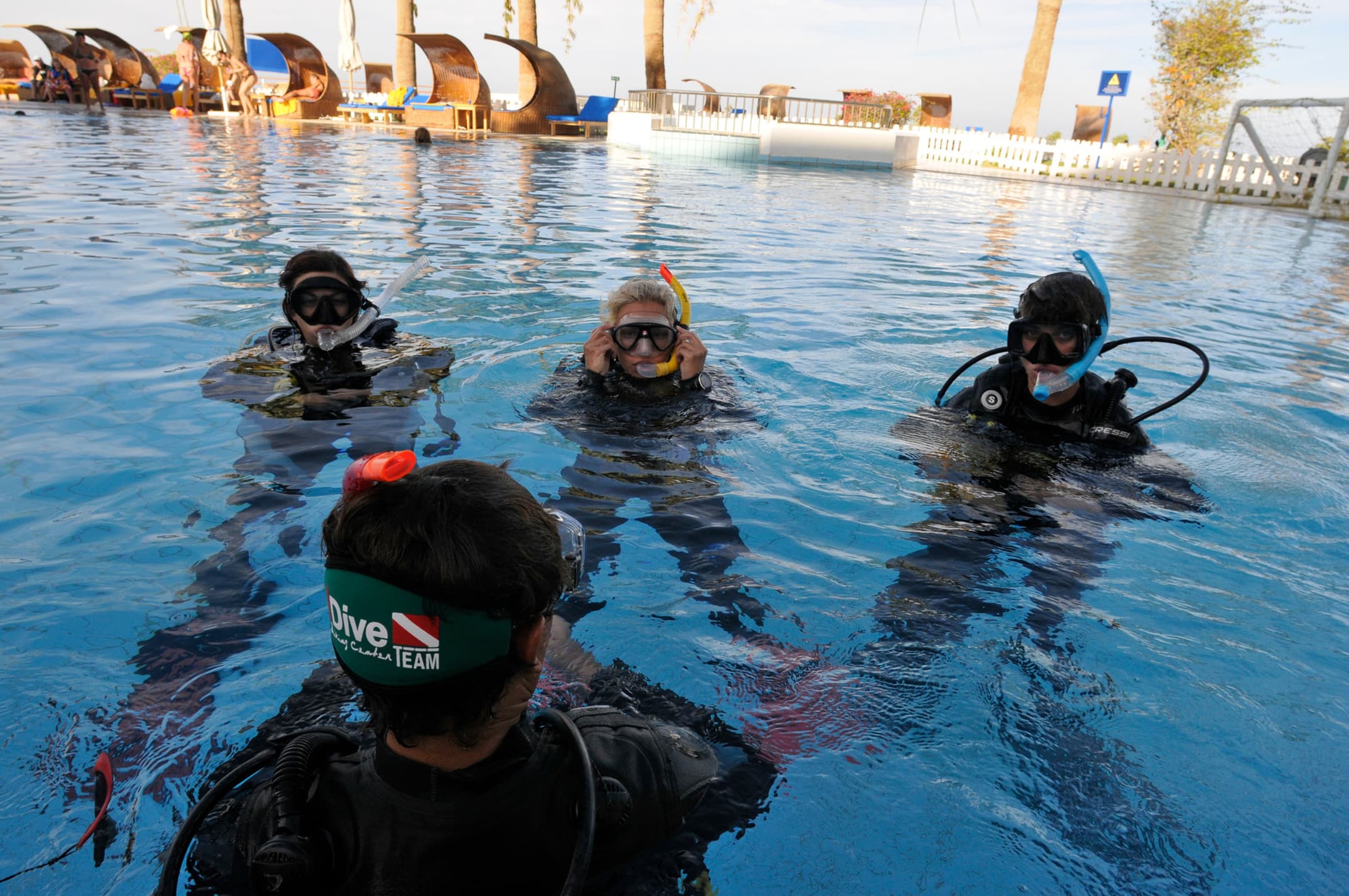
The course starts with yourself: self-rescue, and recognising the signs of stress and panic before they turn into a real problem. From there, it moves on to other divers. You learn how to help a tired diver at the surface, how to approach a panicked one without being pulled under yourself, how to respond from the shore or from a boat, and how to organise a search for a missing diver. Then come the hardest skills: bringing an unresponsive diver up from the bottom, giving rescue breaths at the surface while towing them in full gear, getting them out of the water, and providing first aid and emergency oxygen once they are out.
It all ends with rescue scenarios, where everything you have learnt has to come together at once, with no warning about what is going to happen.
It is physically demanding, to say the least. Towing another diver in full gear while giving rescue breaths is far more tiring than it looks, and after a few exercises, you start to understand why the course is often described as the hardest, but also the most rewarding, in recreational diving.
What Rescue Really Teaches You
The biggest lesson of the course is not a technique at all: it is prevention. Most problems underwater start small, with a buddy breathing too fast, a mask that keeps flooding or someone who looks uneasy at the surface, and the course trains you to notice them early, when they are still easy to deal with. After Rescue, you dive differently. You check your buddy more often, you plan more carefully, and you feel a lot calmer knowing that, if something did go wrong, you would know what to do.
Before You Go
- Check the prerequisites. You need Adventure Diver with the Underwater Navigation dive, or Advanced Open Water, and CPR and first aid training from the last 24 months.
- Do EFR first, or together with Rescue. If your first aid training is older than two years, or you have none, iDive offers EFR as well.
- Do the theory at home. With PADI eLearning, you can complete the knowledge part before you travel, and spend your time in Makadi Bay in the water rather than in a classroom.
- Pack for the water temperature. The Red Sea can be dived all year round, but the water is noticeably cooler in winter than in late summer, so ask the centre which wetsuit to use.
- Do not fly straight after diving. The usual guideline is to wait at least 12 hours after a single dive, and at least 18 hours after several dives or several days of diving, so plan your last dive around your flight home.
- Get dive insurance. Make sure your travel insurance covers diving, or take out specific dive insurance, such as DAN Europe.
Special Thanks
None of this would have been the same without the people at iDive. A special thanks goes to Ali, the manager of the centre and a good friend, for always making me feel at home; to Carlo and Erika, the owners, for everything they have built in Makadi Bay over the years; and to Hassan, my Rescue instructor, for his patience and for everything he taught me, in the water and out of it.
Photos courtesy of iDive Diving Centre.