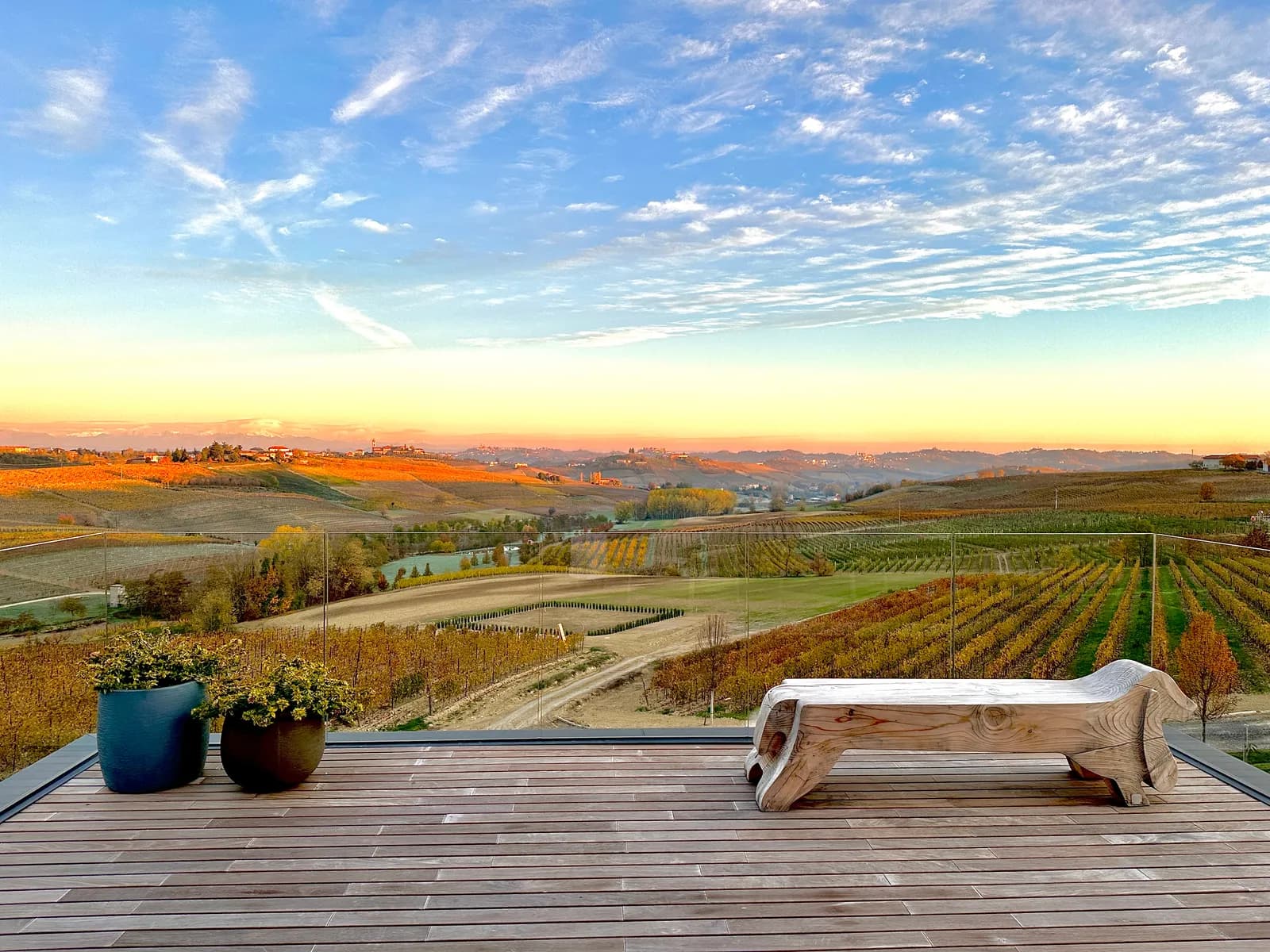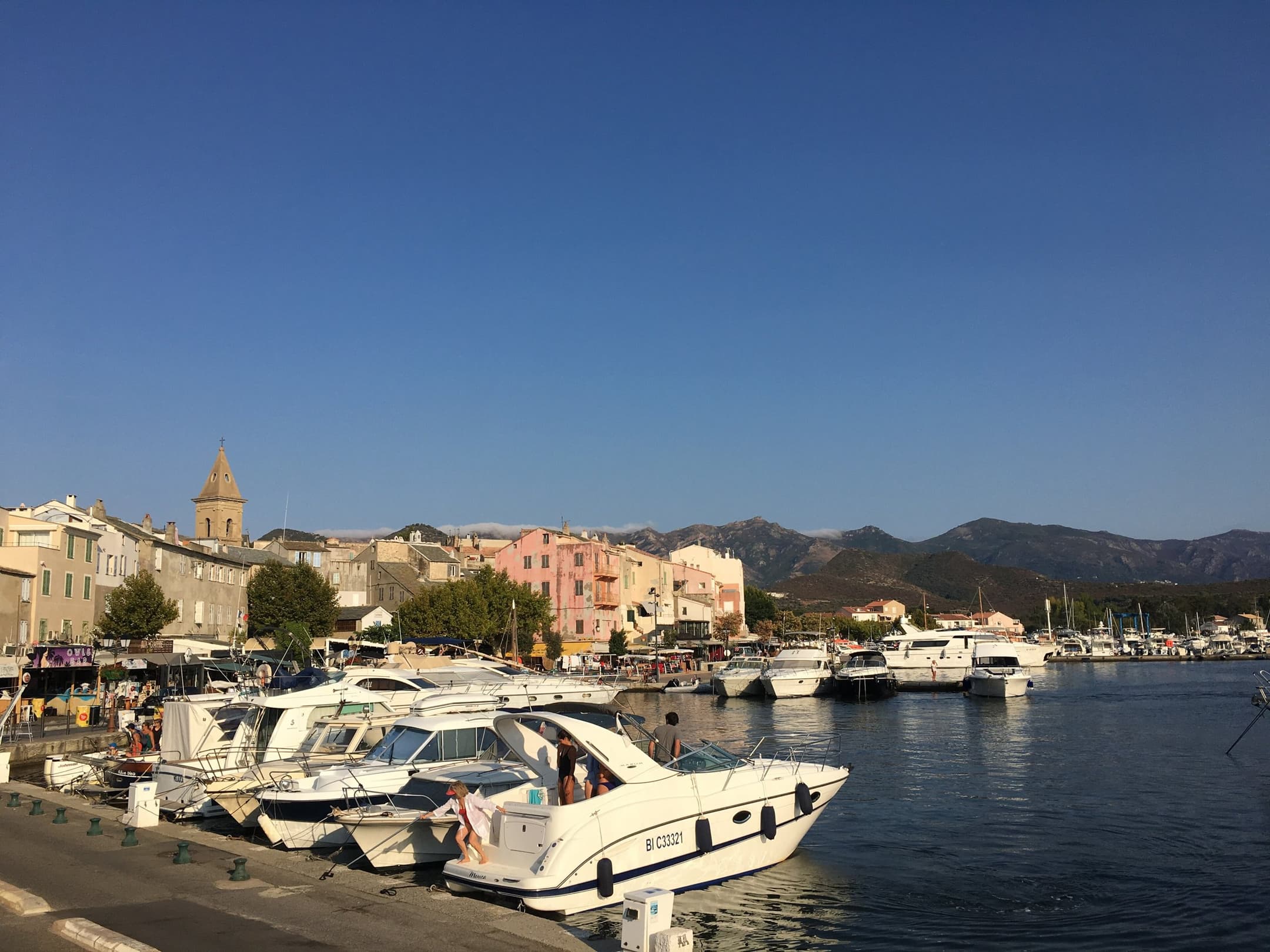
Saint-Florent
Two summers ago, in July 2024, my family and I spent five days in Saint-Florent, a small port town in the north of Corsica. It sits at the far end of a deep gulf at the base of Cap Corse, with the hills of the Nebbio behind it and the wild coastline of the Désert des Agriates across the water. It is sometimes called the Saint-Tropez of Corsica, but in reality it is much smaller and much more relaxed than that: a harbour full of boats, a Genoese citadel, a handful of old streets and some of the most beautiful beaches in the Mediterranean only a short boat ride away.
Here is what we did, and what I would recommend if you are going.
Getting There
We left from our home in Rome and flew with Air Corsica from Fiumicino to Bastia, in the north of Corsica, a flight of less than an hour. A family friend was waiting for us at the airport, and from there, the drive to Saint-Florent is around forty minutes, through the hills of the Nebbio. If you would rather bring your own car, ferries run to Bastia from Savona, Genoa and Livorno, and from the port, the road climbs over the Col de Teghime, a mountain pass where, on a clear day, you can see both sides of Cap Corse at once. Either way, you will want a car once you are there: most of the places below are outside the town.
1. Wander the Harbour and the Old Town
Saint-Florent is at its best in the evening. Once the boats come back and the heat finally drops, the whole town seems to gather around the harbour, and every evening we ended up there with an aperitif, watching the yachts and the fishing boats moor side by side. Behind the port, the old town is just a few narrow streets and small squares, small enough to walk around in an hour, and lovely to get lost in after dinner.
2. Climb Up to the Citadel
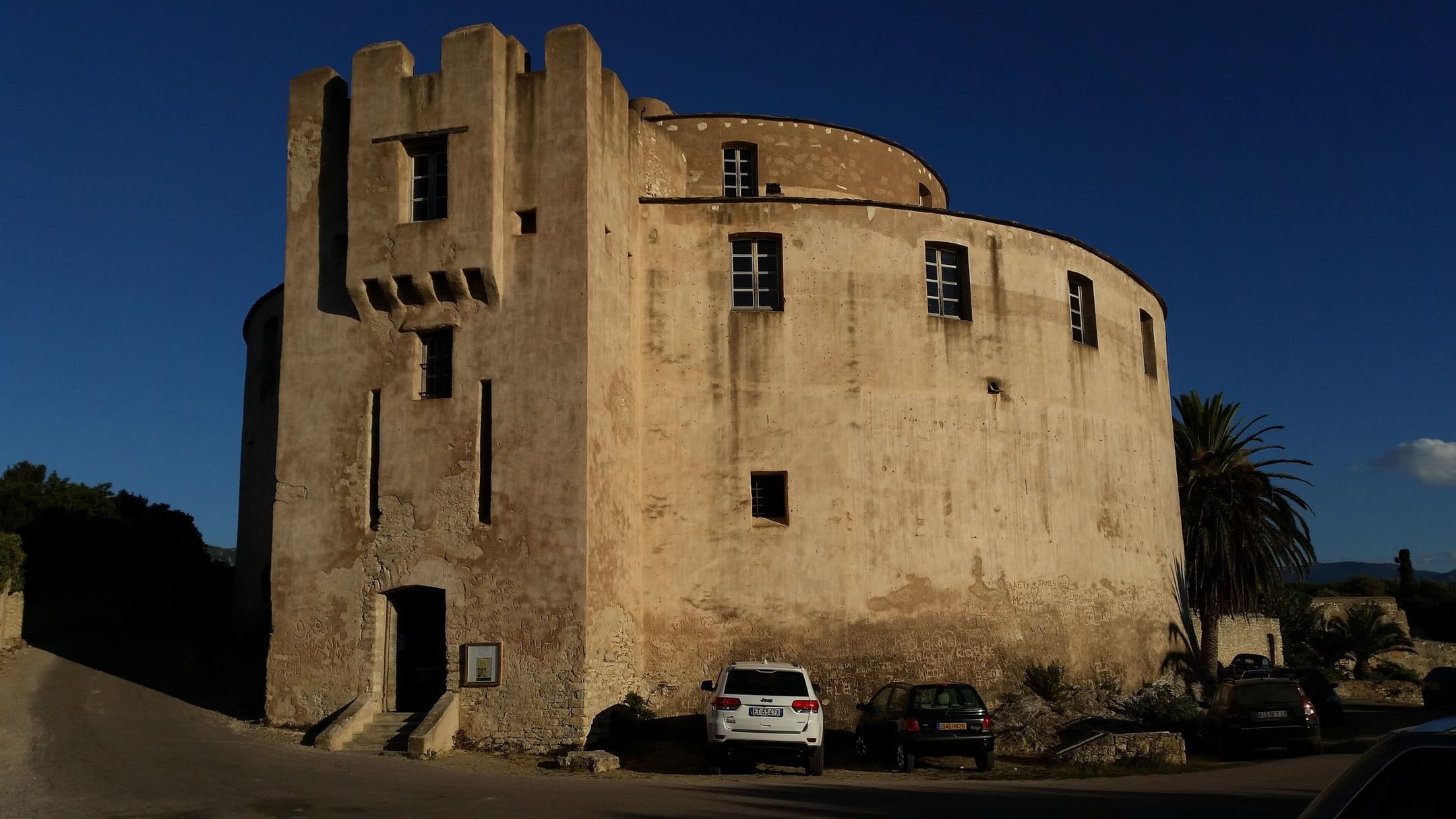
Above the old town stands the citadel, built by the Genoese around 1440 to control the gulf. It is one of the oldest fortresses still standing in Corsica, and its compact, rounded shape makes it quite unlike any other. The inside is usually only open for exhibitions and events, but the walk up is worth it anyway for the view over the rooftops, the harbour and the whole gulf, especially just before sunset.
3. Visit the Cathedral of the Nebbio
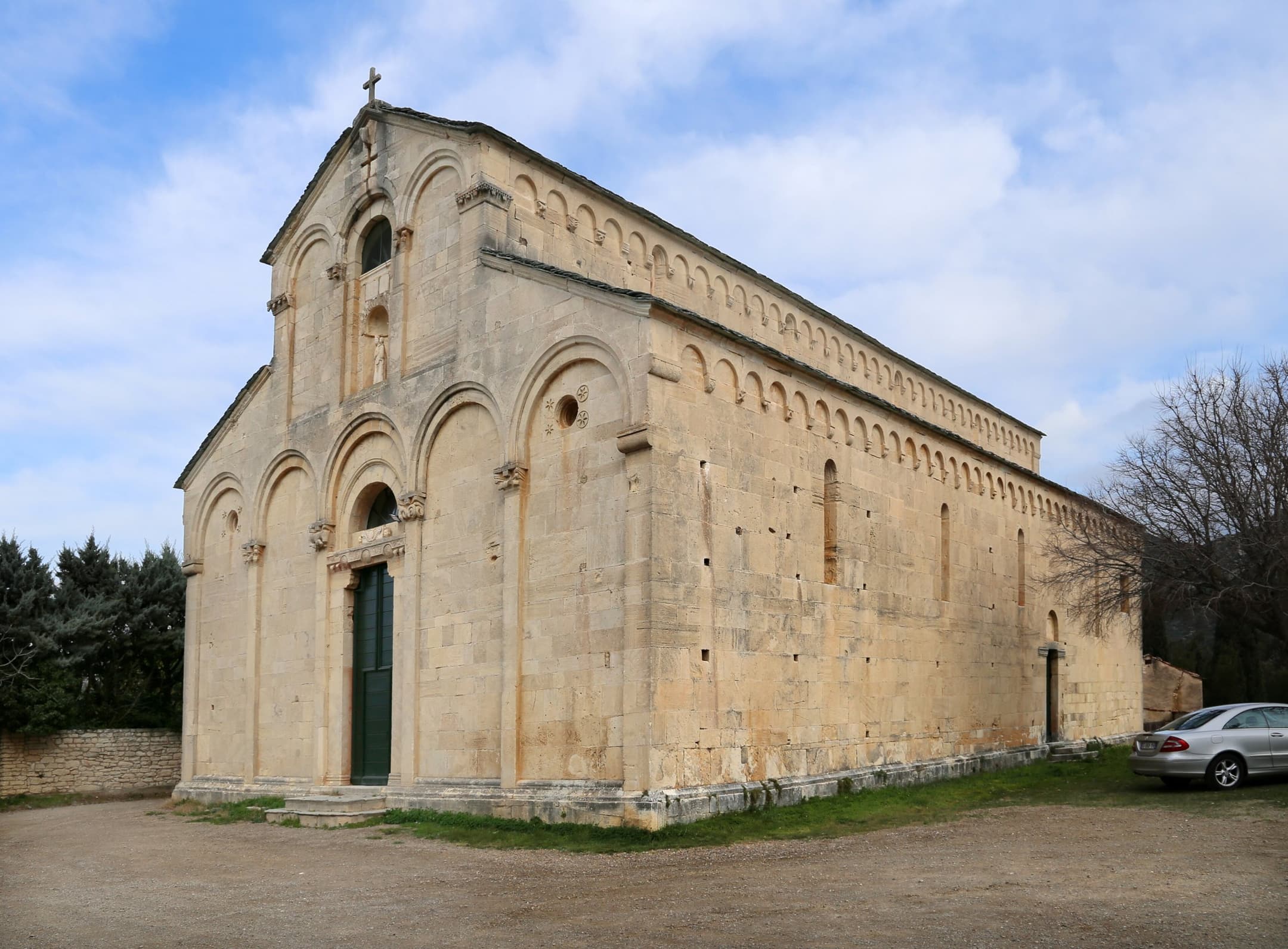
Less than a kilometre outside the old town, standing on its own in a field, is the Cathedral of Santa Maria Assunta, also known as the Cathedral of the Nebbio. It dates back to the 12th century and is one of the finest examples of Pisan Romanesque architecture in Corsica, built in pale limestone with simple, perfectly balanced lines. It is closer to the size of a church than a cathedral, and in the middle of a hot July day it was wonderfully quiet and cool inside.
4. Swim at Plage de la Roya
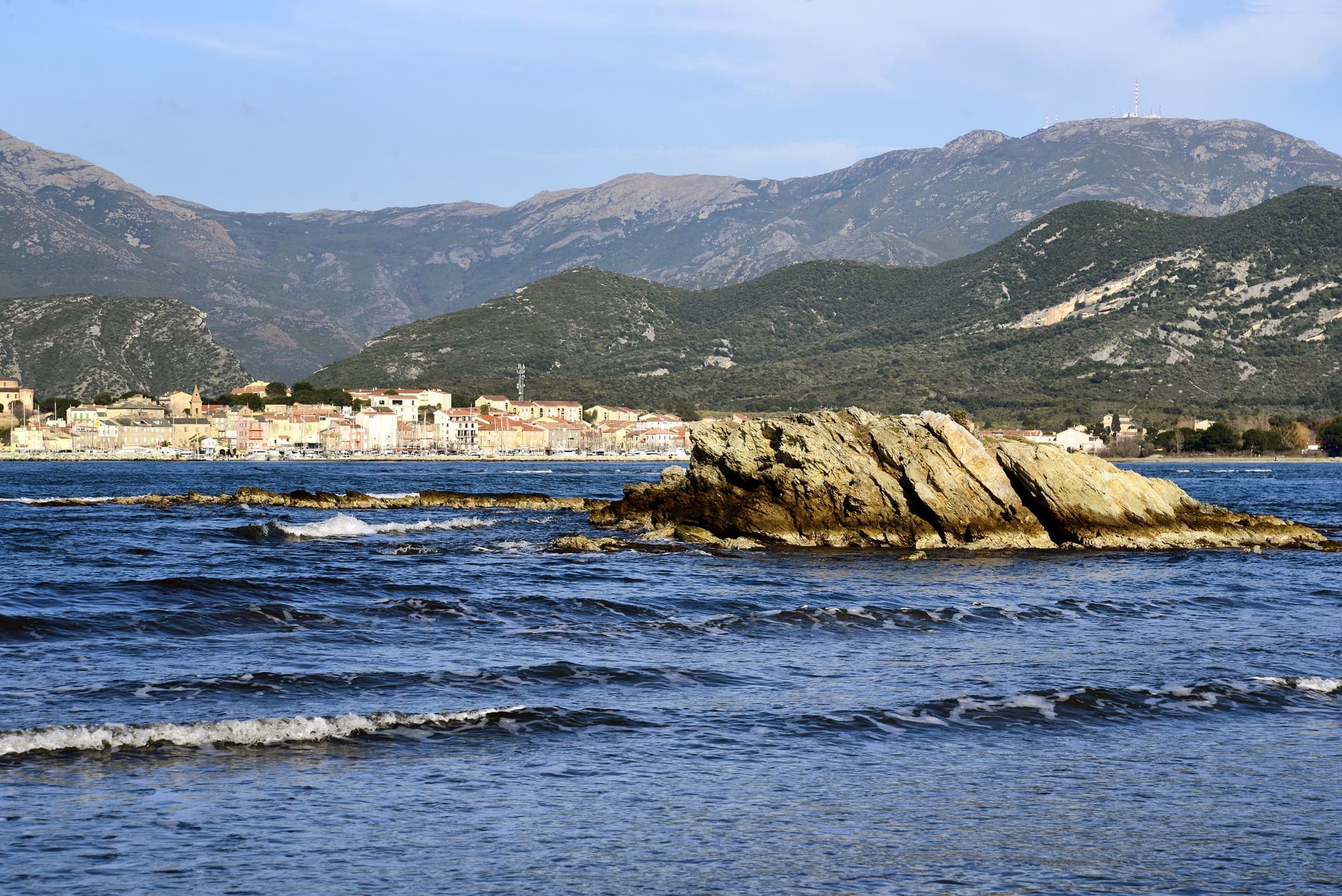
The town's main beach, the Plage de la Roya, is just outside the centre. The water is shallow and sheltered, which makes it perfect for an easy swim on the days you do not feel like taking a boat, and you can usually park along the road behind it.
5. Take the Boat to Plage du Lotu
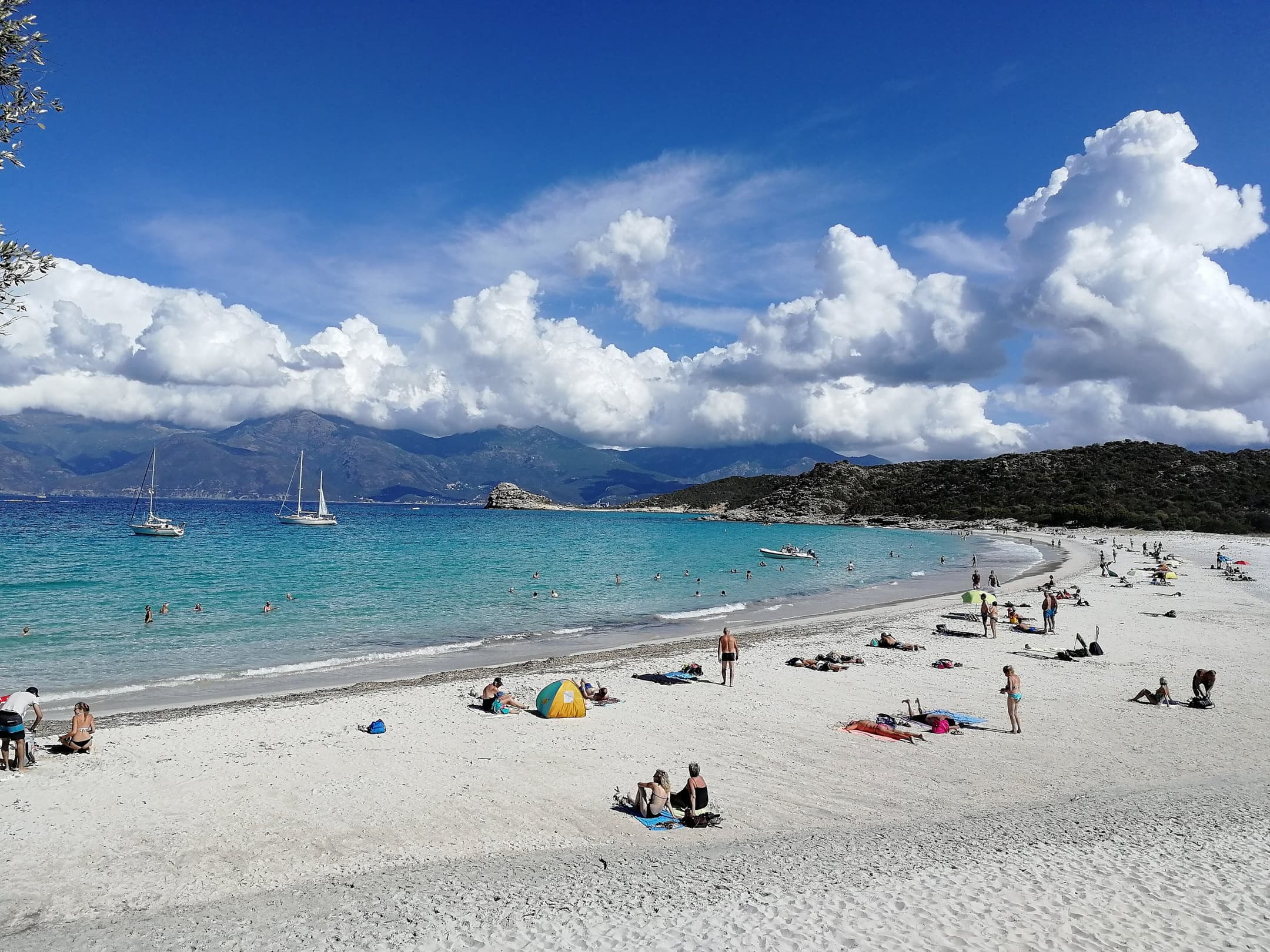
The real reason to come to Saint-Florent is across the gulf. West of the town stretches the Désert des Agriates, which is not a desert of sand but a wild, protected coastline of rocks and maquis, the dense, fragrant scrubland that covers so much of Corsica, with no villages and almost no roads. Its beaches are among the most beautiful in the Mediterranean, and the easiest way to reach them is by boat.
Shuttle boats leave from the harbour of Saint-Florent, and the ride to the Plage du Lotu takes about twenty minutes. We took the first boat of the morning, and when we arrived, the beach was almost empty: white sand, water so clear it barely looked real, and nothing around but maquis and sea. There is very little in the way of facilities, so bring water, food and something for shade.
6. Walk to Saleccia
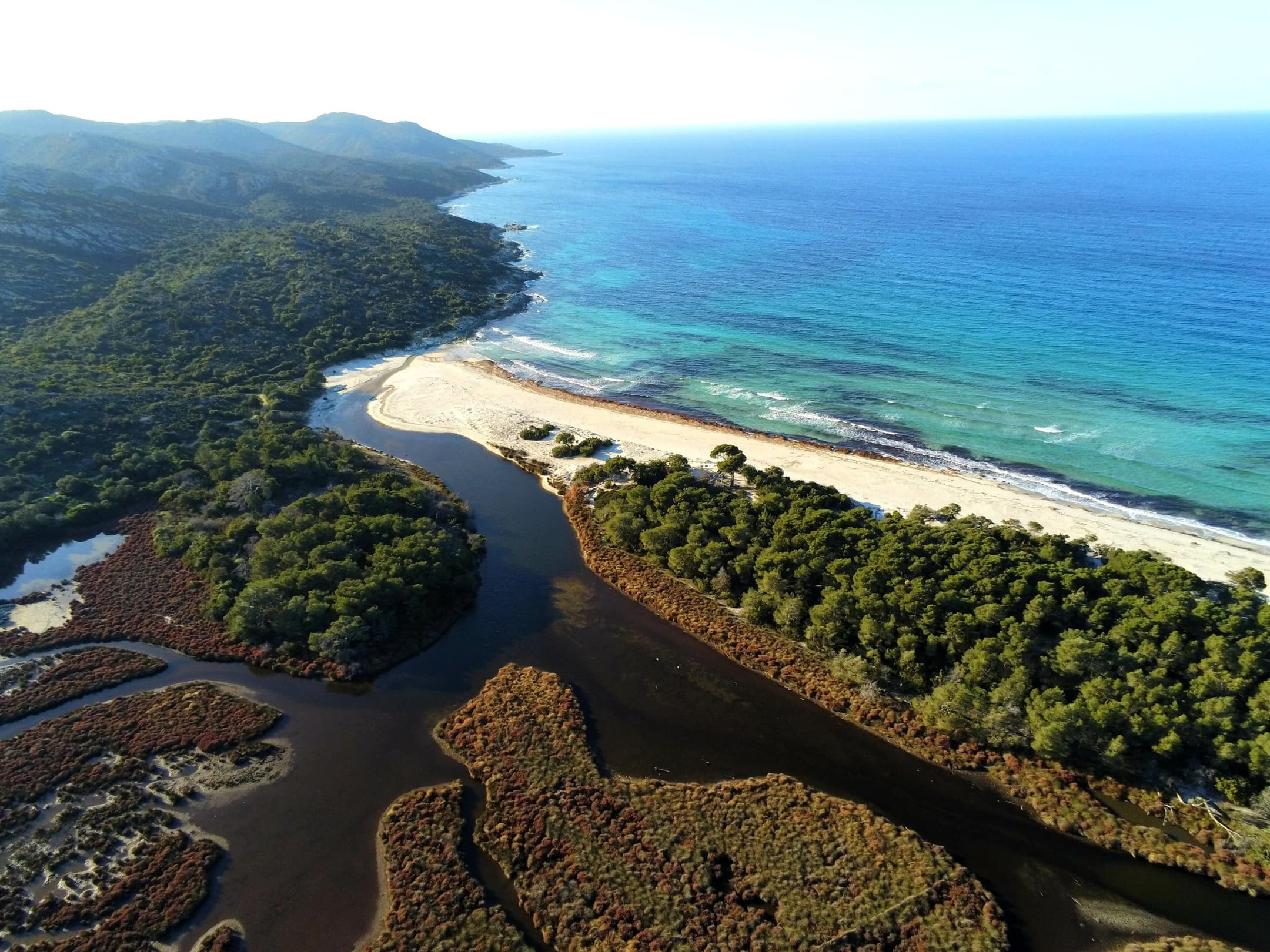
From Lotu, a coastal path leads to Saleccia, the most famous beach of the Agriates, in around an hour and a half on foot. It is a long curve of white sand backed by pine trees, and it is so wild that in 1962 it was chosen as one of the filming locations for The Longest Day, the film about the D-Day landings. In July, the walk is hot and there is very little shade, so set off early, but arriving on foot and seeing Saleccia open up in front of you is worth every step. If walking is not for you, some boats from Saint-Florent go straight to Saleccia instead.
7. Spot the Tour de la Mortella
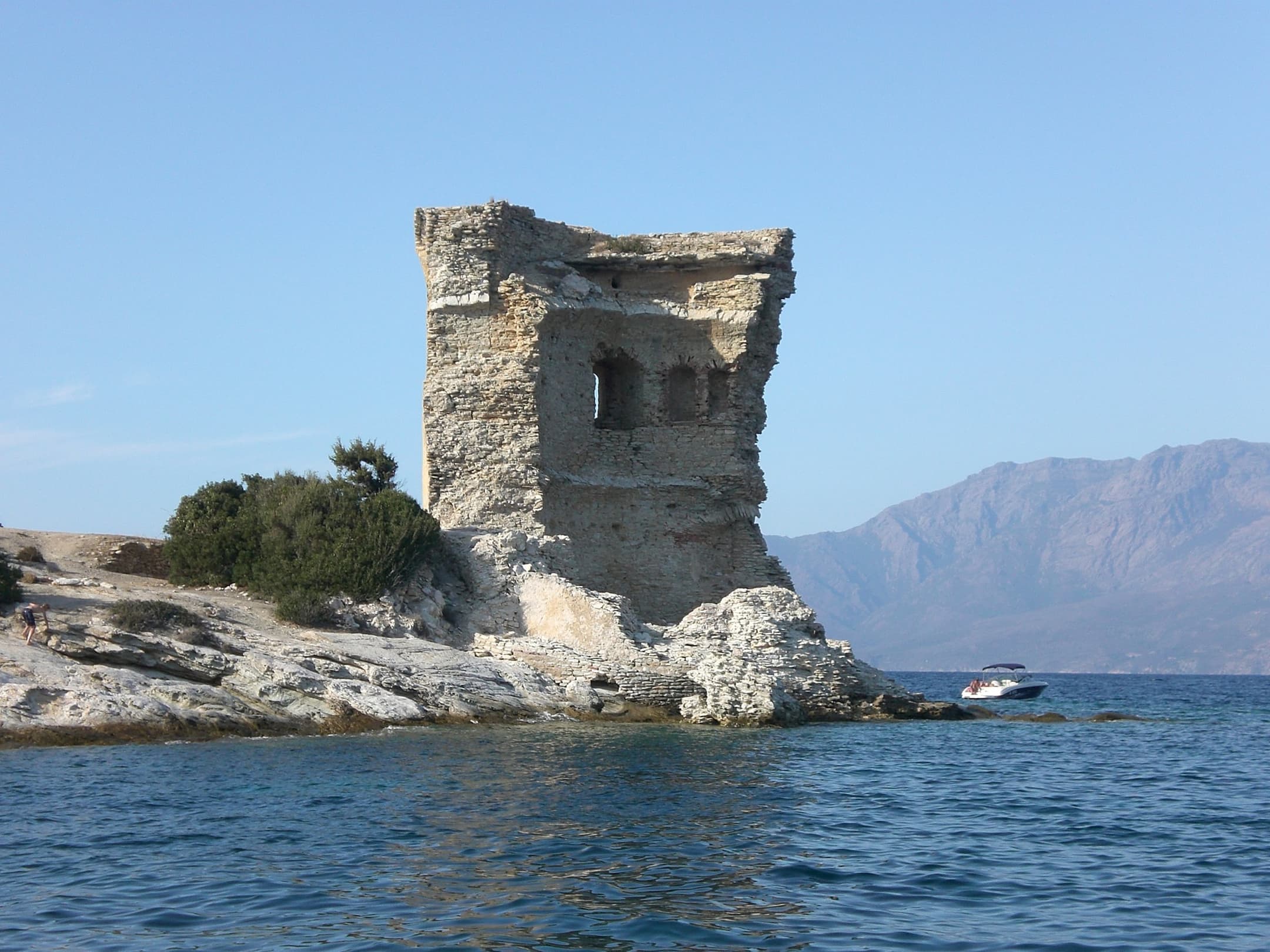
On the way to Lotu, the boat passes the Tour de la Mortella, a ruined Genoese tower on the point of the same name, and it has a surprising story. In 1794, British ships attacked it, and its small garrison held out for so long that the British were deeply impressed. They copied its design for the hundreds of coastal forts they later built across their empire, and a misspelling of its name, Mortella, which means myrtle, gave us the Martello towers. When the British left Corsica in 1796, they blew it up, which is why it is a ruin today. You can also reach it on foot from Saint-Florent along the coastal path, in around three hours.
8. Taste Wine in Patrimonio
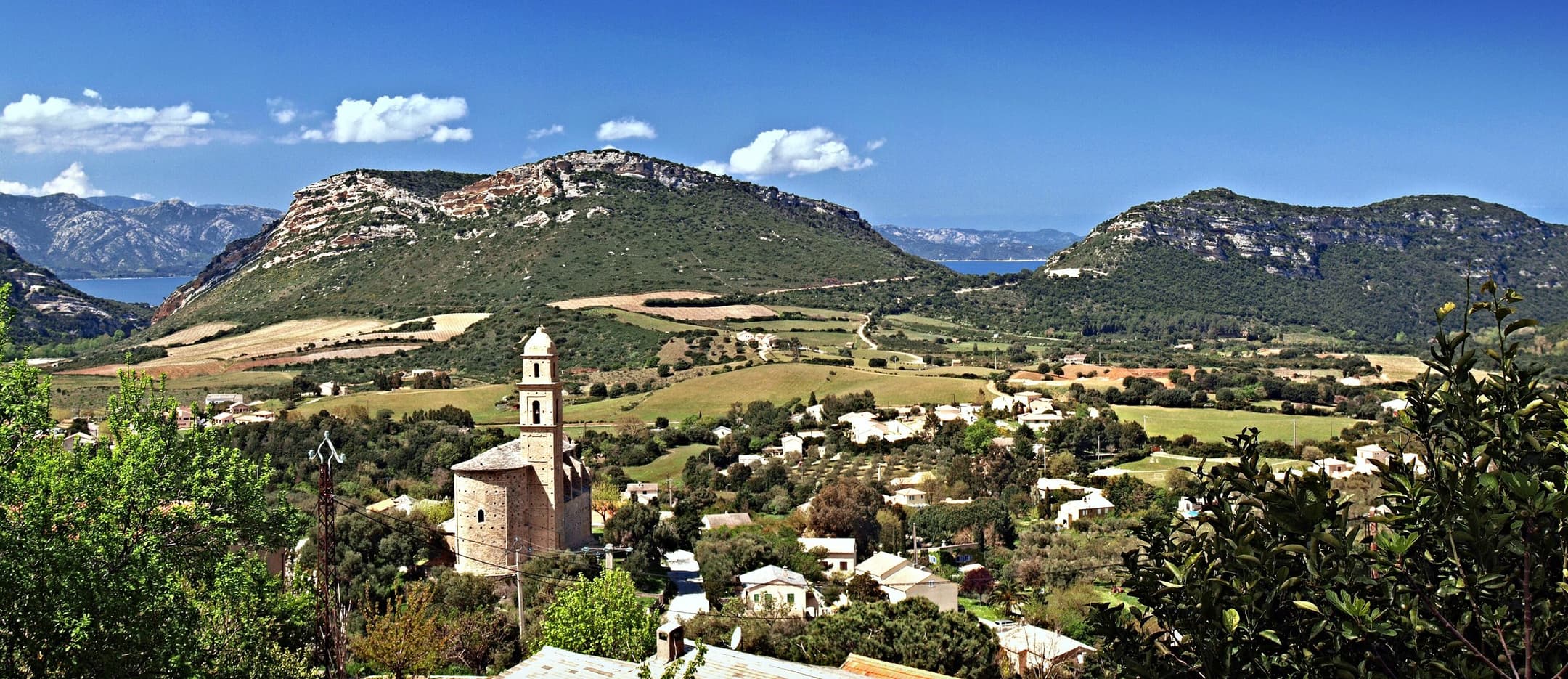
Ten minutes from Saint-Florent, the village of Patrimonio is surrounded by vineyards, and it is the home of the oldest wine appellation in Corsica: in 1968, Patrimonio became the island's first AOC. The reds and rosés are made mostly from Nielluccio, a grape closely related to Sangiovese, and the whites from Vermentinu. We spent a slow afternoon going from one family-run cellar to another, and the Vermentinu, served cold, was the perfect wine for a Corsican summer. Just remember that someone has to drive back.
9. Drive Up Cap Corse to Nonza
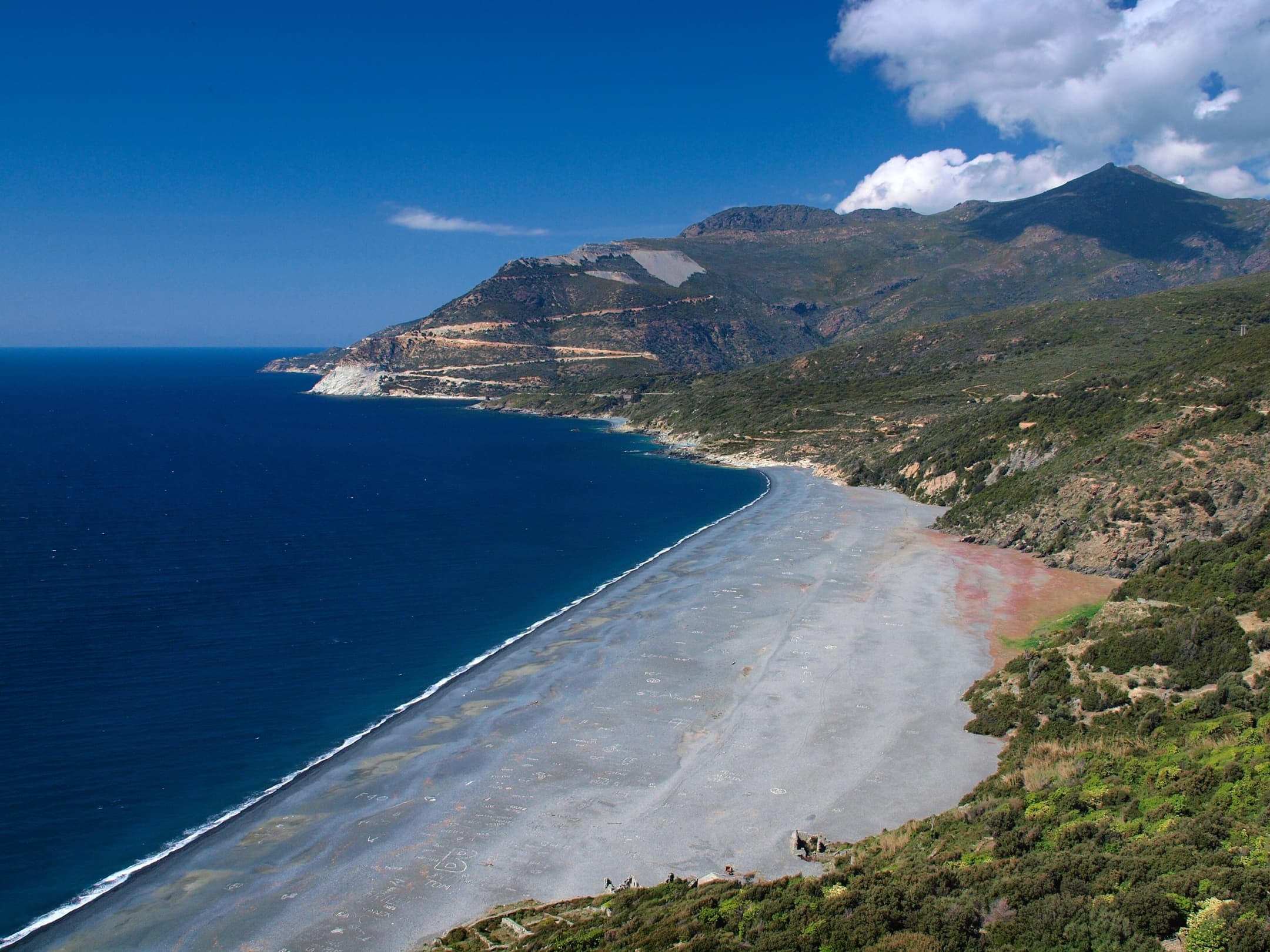
North of Saint-Florent, the road climbs along the western coast of Cap Corse, narrow and winding, with the sea far below. After about half an hour, you reach Nonza, a village built on top of a rock with a tower at its highest point. Below it lies a long beach of grey-black pebbles. The colour is not volcanic: it comes from the waste of an old asbestos mine a little further up the coast, at Canari, which the sea has spread along the shore over the years. It is a strange, beautiful place, and the view from the tower is one of the best on the whole cape.
What to Eat
Corsican food is simple and full of flavour. Try the charcuterie, like coppa and lonzu, and brocciu, a fresh cheese made from sheep's or goat's milk whey, which turns up in everything from omelettes to fiadone, a light, lemony cheesecake that became our dessert of the trip. At the harbour, the fish of the day is always a good choice, and for something to drink, look out for Pietra, a Corsican beer brewed with chestnut flour.
Before You Go
- July is peak season. It is hot and busy, so book your flights or ferry and your accommodation early, and reserve the boats to the Agriates in advance.
- Start early. The first boats of the morning are the quietest, and the coolest time to walk.
- Pack for the Agriates. There are few or no facilities on the beaches, so bring water, food, sun cream and shade, and take all your rubbish back with you.
- Parking. The car parks near the harbour and the citadel are paid in summer, but the town itself is easy to explore on foot.
- Bring a car. You will need one for Patrimonio, Nonza and the cathedral, and for getting from Bastia.
- Consider late June or September. The sea is still warm, and there are far fewer people.
Photo Credits
The photos in this article come from Wikimedia Commons and are used under their Creative Commons licences:
- Cover: Port - Saint Florent by Ruthven, CC0
- Saint Florent Citadelle by Elgaard, CC BY-SA 4.0
- Cattedrale del Nebbio by Sailko, CC BY 3.0
- Îlot de la Roya by Pierre Bona, CC BY-SA 3.0
- Plage de Lotu by Alacoolwiki, CC BY-SA 4.0
- Plage de Saleccia by Scata2b, CC BY-SA 3.0
- Tour de la Mortella by COLLE M., CC BY-SA 3.0
- Patrimonio and Nonza by Pierre Bona, CC BY-SA 3.0