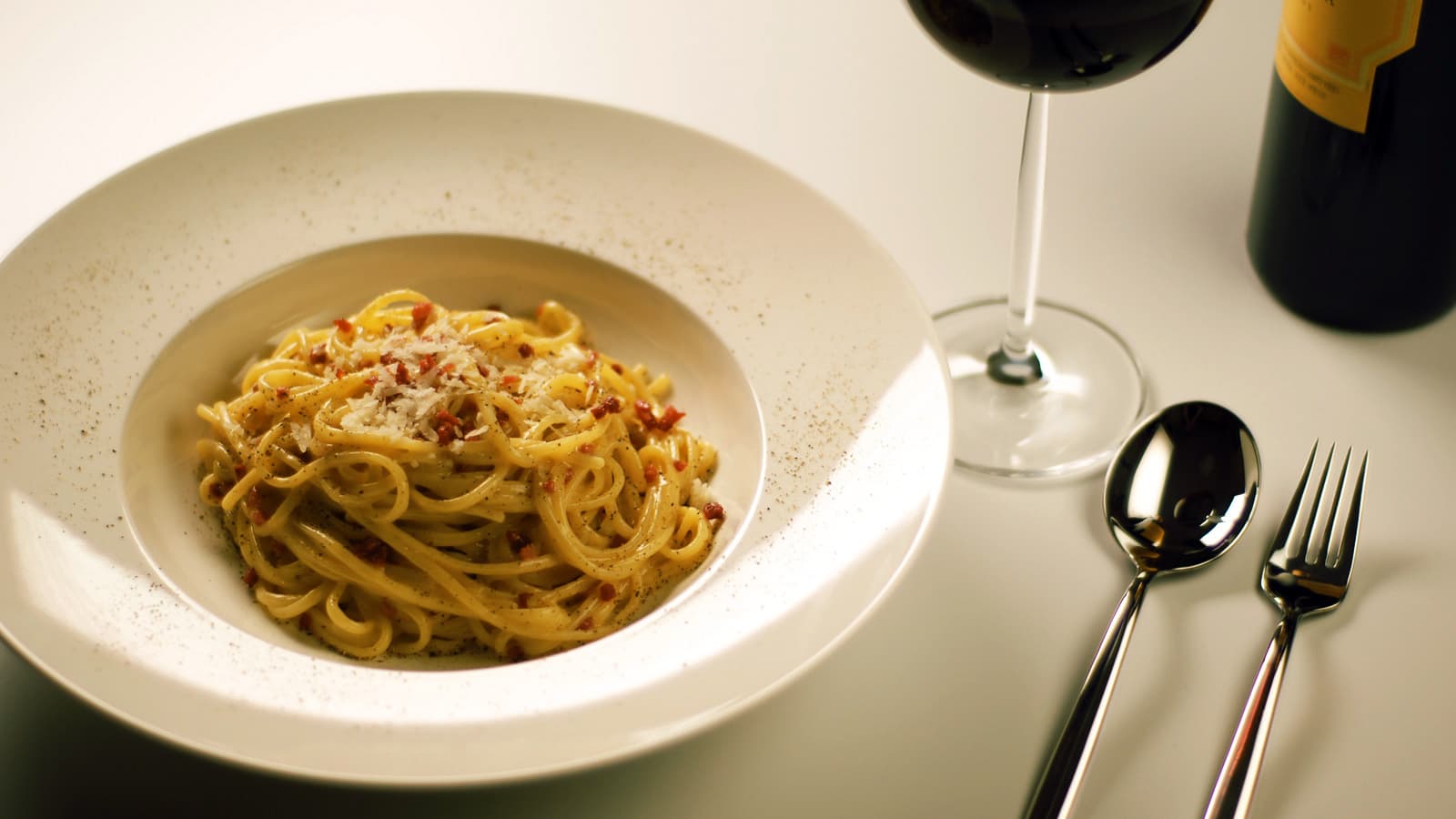
Few dishes in the world are as loved, or as fiercely argued about, as spaghetti alla carbonara. Everyone has a version: the one their grandmother made, the one a chef swears by, the one with cream that every Italian loves to hate. Yet the real thing is almost disarmingly simple: five ingredients, one pan, one bowl and about half an hour.
That simplicity is exactly what makes it a perfect student recipe. There is no long shopping list and nothing to prepare in advance, and once you have mastered the one tricky moment, turning eggs into a silky sauce instead of a plate of scrambled eggs, you will be able to cook it for the rest of your life.
This version follows the spaghetti alla carbonara published by Il Cucchiaio d'Argento, the classic Italian cookbook first published in 1950. Their recipe sticks to the most traditional ingredients possible: guanciale, Pecorino Romano DOP, egg yolks, freshly ground black pepper and spaghetti, with a clever technique for the eggs that we will get to in a moment.
A Short (and Disputed) History
For such a famous dish, carbonara is surprisingly young, and nobody quite agrees on where it came from.
The most popular theory places its birth in Rome after the city's liberation in 1944, when Allied soldiers arrived with bacon and powdered eggs, and Roman cooks combined them with pasta. By 1950, an Italian newspaper was already describing American officers looking for "spaghetti alla carbonara" in Trastevere. Another theory links the name to the carbonari, the charcoal burners of the Apennines, or to the secret society of the same name from the Risorgimento. Neither has ever been proven.
What we do know is that the first published recipe appeared in 1952 in a cookbook from Chicago, and the first Italian one in 1954, in the magazine La Cucina Italiana: made with pancetta, garlic and Gruyère. Cream also appeared in many 20th-century versions, before disappearing from Italian kitchens towards the end of the century. The carbonara we think of as traditional today, with guanciale, pecorino, eggs and pepper, is the result of decades of Romans quietly refining it.
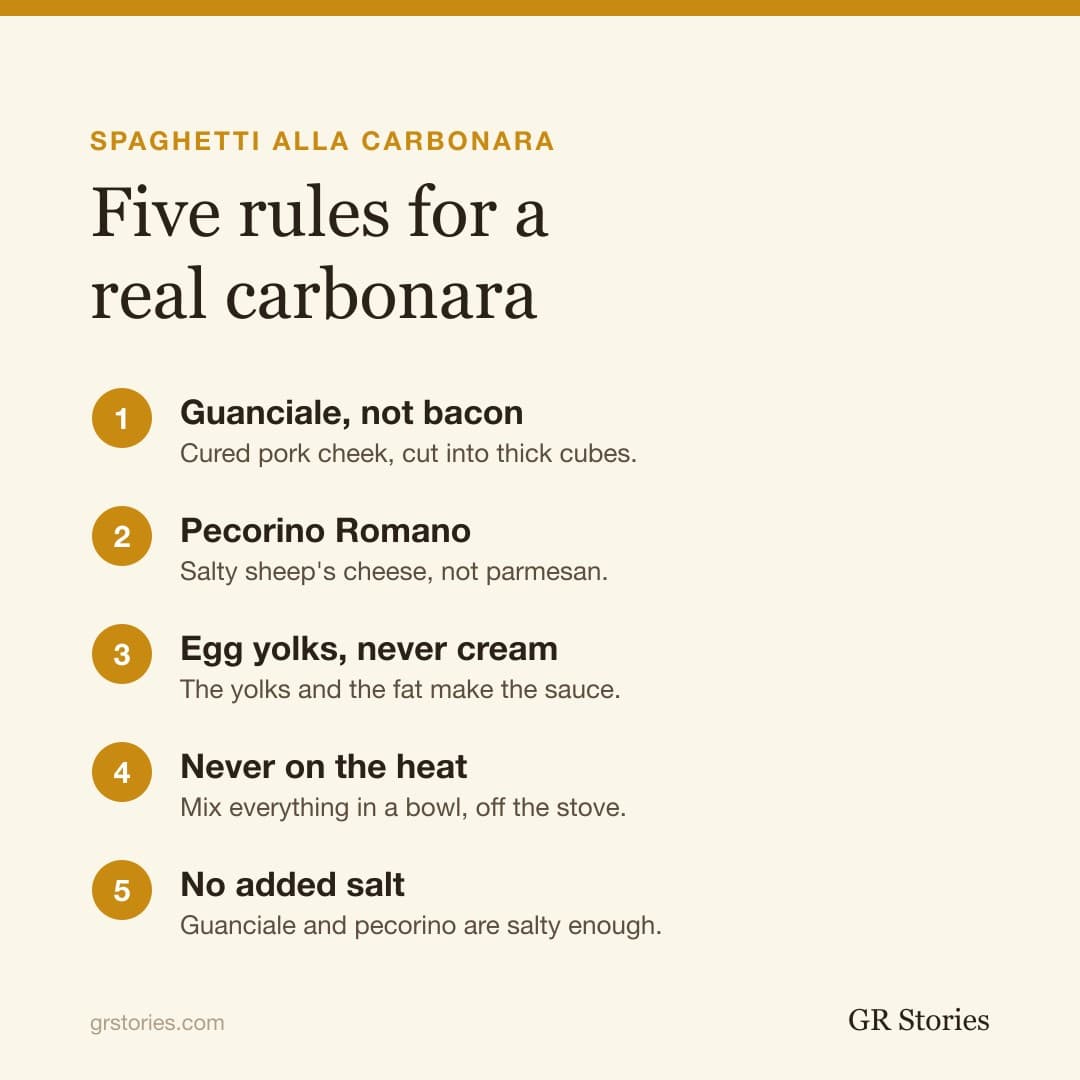
Five Rules for a Real Carbonara
Before we start, here are the five things that separate a real carbonara from everything else that goes by the same name.
Ingredients
Serves 4. Preparation: 20 minutes. Cooking: 10 minutes. Difficulty: medium.
- 320 g spaghetti, of medium thickness
- 300 g guanciale, bought as a single piece
- 5 egg yolks
- 50 g Pecorino Romano DOP, finely grated, plus a little extra to serve
- Freshly ground black pepper, and plenty of it
You will also need a large pot for the pasta, a second pot of boiling water, a wide frying pan, a heatproof metal bowl, a whisk, a small sieve and a large serving bowl.
A Note on Ingredients
Guanciale. Guanciale is cured pork cheek, and it is the soul of carbonara. As Il Cucchiaio d'Argento puts it, pancetta and bacon should not even be taken into consideration. Buy a whole piece rather than ready-cut cubes or slices: as a rule of thumb, you want about the same weight of guanciale as of pasta. Remove the rind and trim off the outer parts covered in spices and pepper, which can make the dish too salty, then cut it into cubes of about 1 cm. Cubes that size stay caramelised on the outside and almost buttery inside, instead of drying out. If you live abroad and truly cannot find guanciale, look in an Italian deli before settling for anything else.
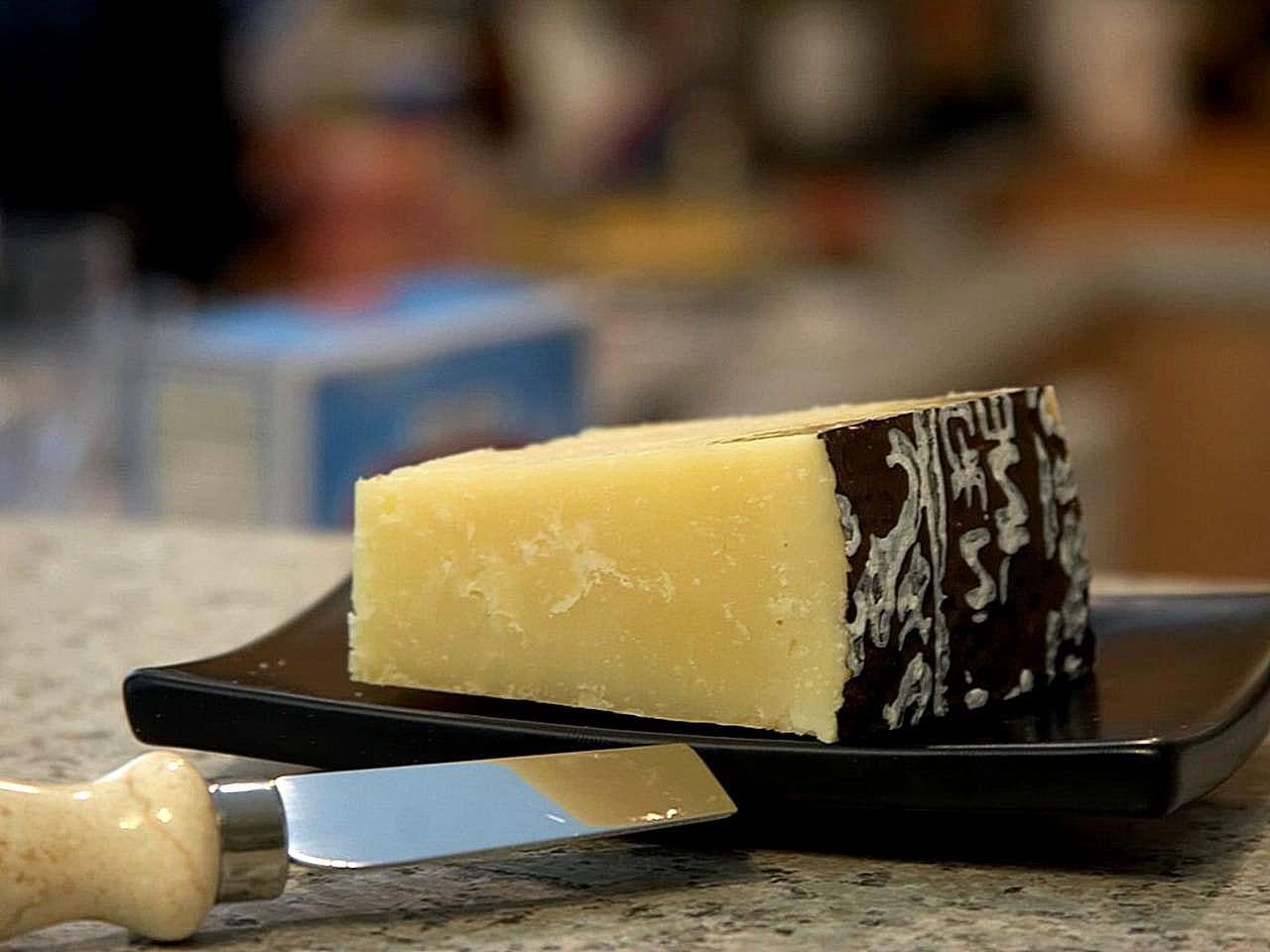
Pecorino Romano DOP. This is a hard, salty sheep's milk cheese, and an essential ingredient in many of Rome's classic dishes. Not parmesan, not Grana Padano: carbonara needs the sharp, rustic flavour of pecorino. Il Cucchiaio d'Argento uses an aged Pecorino Romano with a black rind.
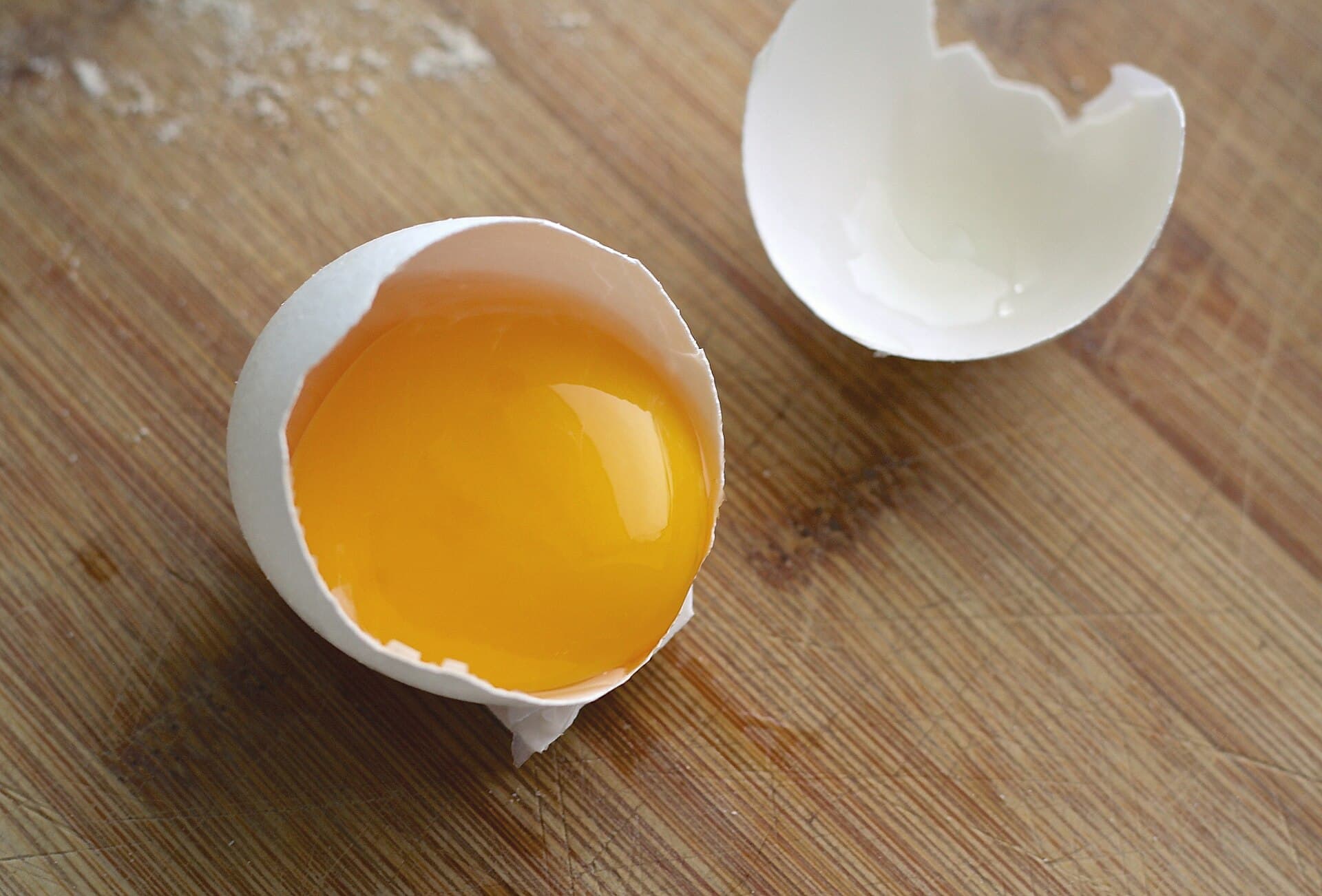
Egg yolks. This recipe uses yolks only, five for four people, which makes the sauce richer and silkier. The yolks are whisked in a bowl set over boiling water, in what Il Cucchiaio d'Argento describes as a kind of pasteurisation, without ever going above 60–65°C, otherwise they start to curdle. It is also good news if you have always been slightly nervous about eating raw eggs.
Spaghetti. Use good-quality spaghetti of medium thickness: very thin spaghetti and very thick ones both struggle to hold the sauce properly.
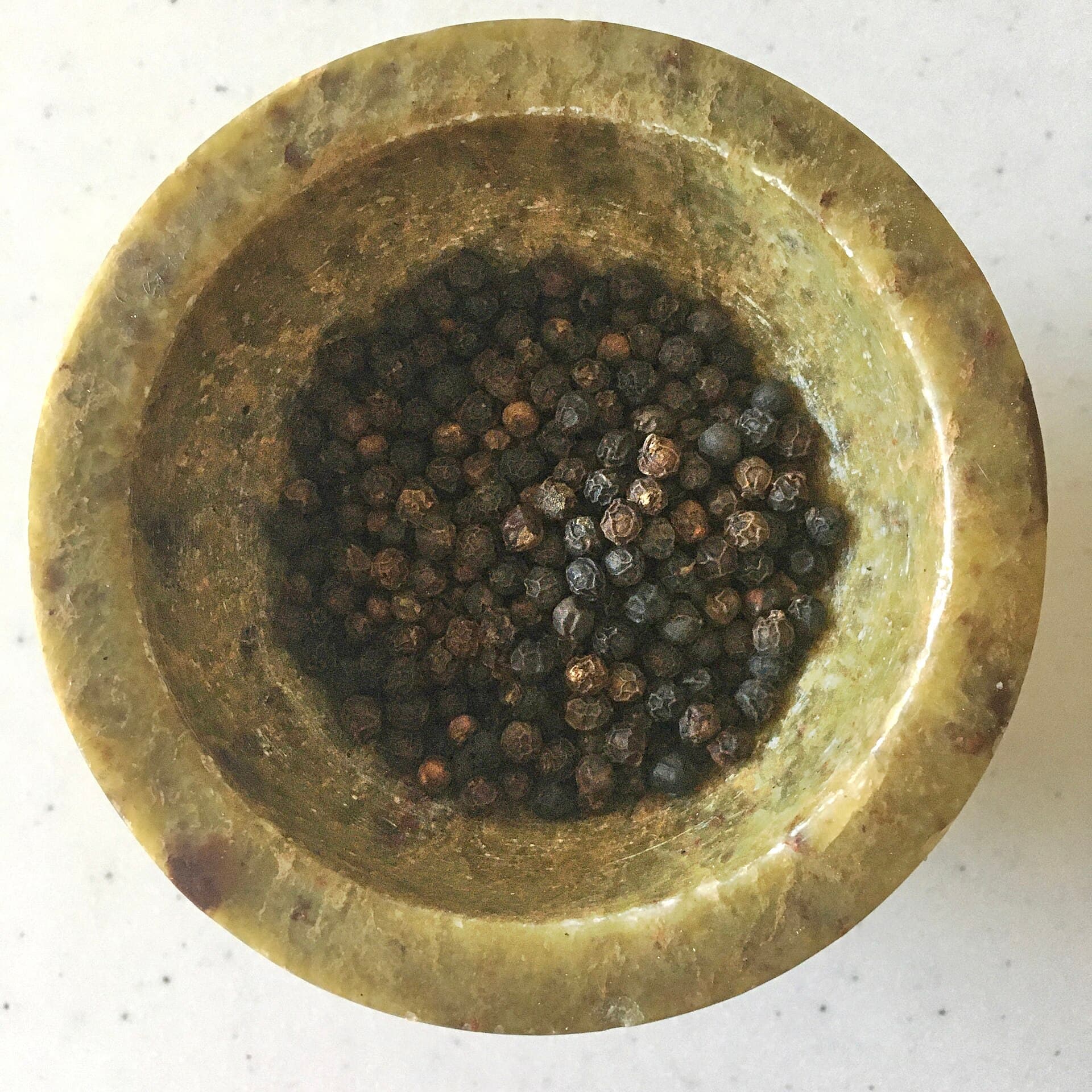
Black pepper. Freshly ground, and generously. Pepper is not a garnish here: it is one of the five ingredients.
Method
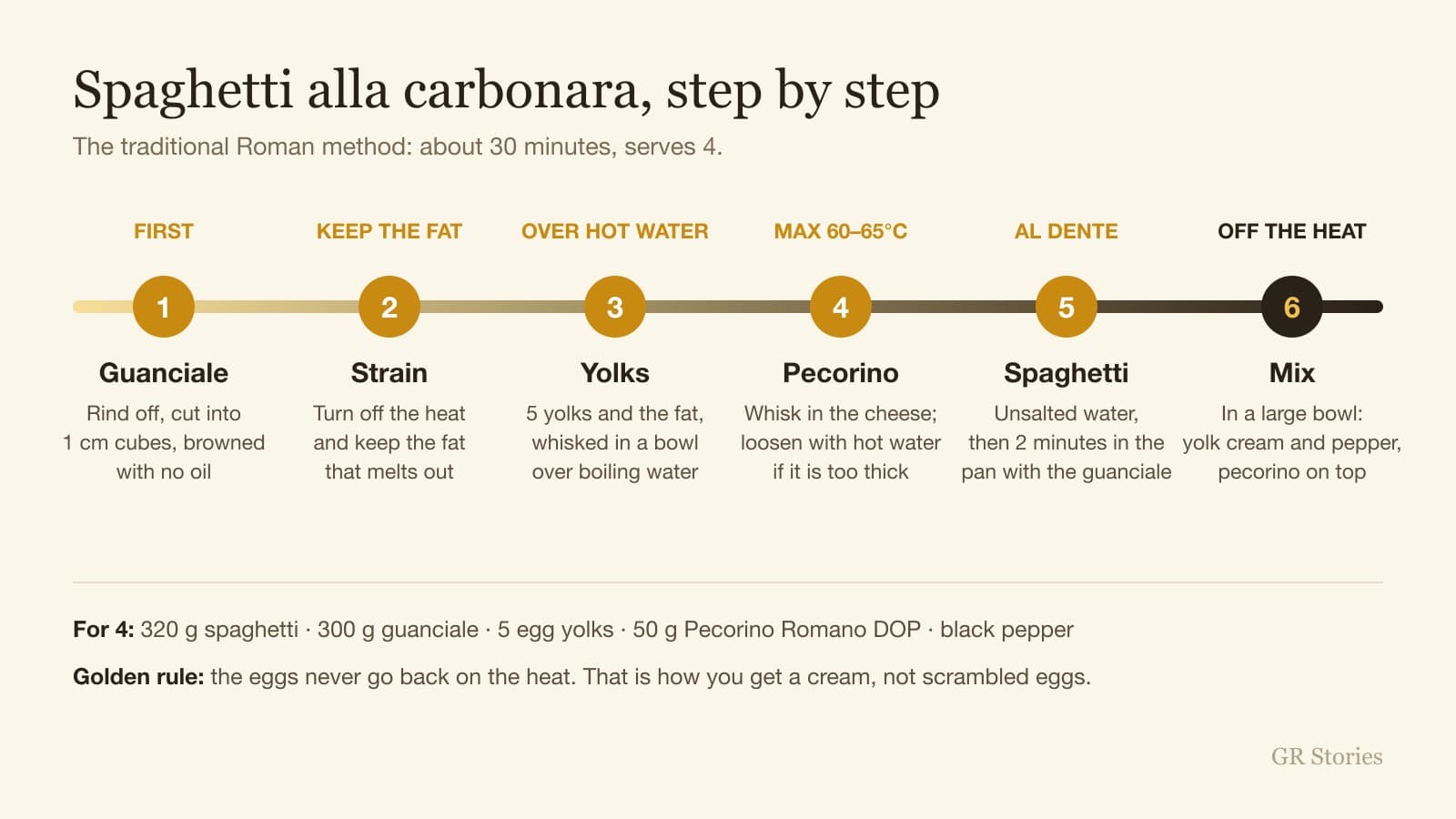
The whole recipe takes about 30 minutes. Read the steps once before you start: the sauce comes together quickly at the end, and you want everything ready.
Step 1 — Prepare the guanciale
Remove the rind from the guanciale and trim off the outer spiced parts. Cut it into cubes of about 1 cm.
Step 2 — Brown it, without oil
Put the guanciale in a wide frying pan over a medium heat. You do not need any oil: as it cooks, the guanciale releases its own fat. When the cubes are golden and crisp on the outside, turn off the heat and keep the fat that has melted into the pan.
Step 3 — Make the yolk cream
Put the 5 yolks in a metal bowl and add the guanciale fat, strained through a small sieve. Bring a pot of water to the boil, rest the bowl on top of it, and whisk the yolks over the steam. Add the grated pecorino and keep whisking. The temperature of the eggs must never go above 60–65°C: if you do not have a thermometer, keep whisking constantly and lift the bowl off the pot as soon as the mixture thickens. Off the heat, if the cream looks too thick, whisk in a few tablespoons of hot water until it is glossy and smooth.
Step 4 — Cook the spaghetti
Cook the spaghetti until al dente in boiling water, without adding any salt: the guanciale and the pecorino are already very salty, and salted water would make the dish too salty.
Step 5 — Toss with the guanciale
Drain the spaghetti and add them to the pan with the guanciale. Toss them over the heat for a couple of minutes, so they soak up the flavour of the fat.
Step 6 — Mix, off the heat
Transfer everything to a large serving bowl, away from the stove. Pour over the yolk cream, add plenty of black pepper and toss well, until every strand is coated in a creamy, golden sauce. Doing this in a bowl rather than in the hot pan is what keeps the eggs from scrambling.
Step 7 — Serve straight away
Divide the carbonara between the plates, finish with a little more grated pecorino and a final grind of black pepper, and serve immediately. Carbonara does not wait: call everyone to the table before you drain the pasta.
Common Mistakes (and How to Avoid Them)
- Using pancetta or bacon. They are not guanciale. Smoked bacon, in particular, completely changes the flavour of the dish.
- Using parmesan. Carbonara needs the salty, sharp taste of Pecorino Romano.
- Adding cream. A well-made yolk cream is already creamy. Cream just dulls everything.
- Scrambling the eggs. It happens when the eggs meet a hot pan. Always mix the pasta and the yolk cream in a bowl, off the heat.
- Overheating the yolks. Over the boiling water, keep whisking and never let them go above 60–65°C.
- Adding salt. Do not salt the pasta water or the sauce: the guanciale and the pecorino bring all the salt the dish needs, and adding more makes it too salty.
- Cutting the guanciale too small. Tiny pieces dry out and turn hard. Aim for cubes of about 1 cm.
- Adding garlic or onion. They have no place in a traditional carbonara.
The Roman Pasta Family
Carbonara is part of a family of four great Roman pasta dishes, all built on the same few ingredients:
- Cacio e pepe: pecorino and black pepper.
- Gricia: pecorino, black pepper and guanciale.
- Amatriciana: gricia with tomato.
- Carbonara: gricia with egg yolks.
Once you can make one, you are only an ingredient away from the others. In Rome, you will also often find carbonara made with rigatoni or mezze maniche instead of spaghetti, and both are perfectly legitimate.
What to Serve with It
Carbonara is rich, so it needs little around it: a simple green salad or some seasonal vegetables are enough. If you are cooking for friends, finish with a tiramisù, which you can make the night before, or a tray of chocolate chip cookies.
Why This Recipe Belongs in a Student Kitchen
If spaghetti al pomodoro is the dish that teaches you how good a few ingredients can be, carbonara teaches you timing. Everything happens in the last two minutes, and getting those two minutes right is a small, very satisfying victory. It is also the perfect counterpart to the slow patience of a risotto allo zafferano: Milan's dish asks for twenty-five minutes of stirring, Rome's asks for two minutes of nerve.
And if you share a kitchen, a word of advice: between the frying pan, the pasta pot and the bowl over boiling water, carbonara takes up more of the hob than you might expect. Have a look at the hidden social rules of shared student kitchens abroad before you claim three burners at dinner time, and then make enough for whoever walks in while you are cooking. With carbonara, someone always does.
Sources and Photo Credits
- Recipe: adapted from Il Cucchiaio d'Argento's Spaghetti alla carbonara.
- History: Carbonara, Wikipedia.
- Cover: Spaghetti alla Carbonara by Mattes Boch, public domain, via Wikimedia Commons.
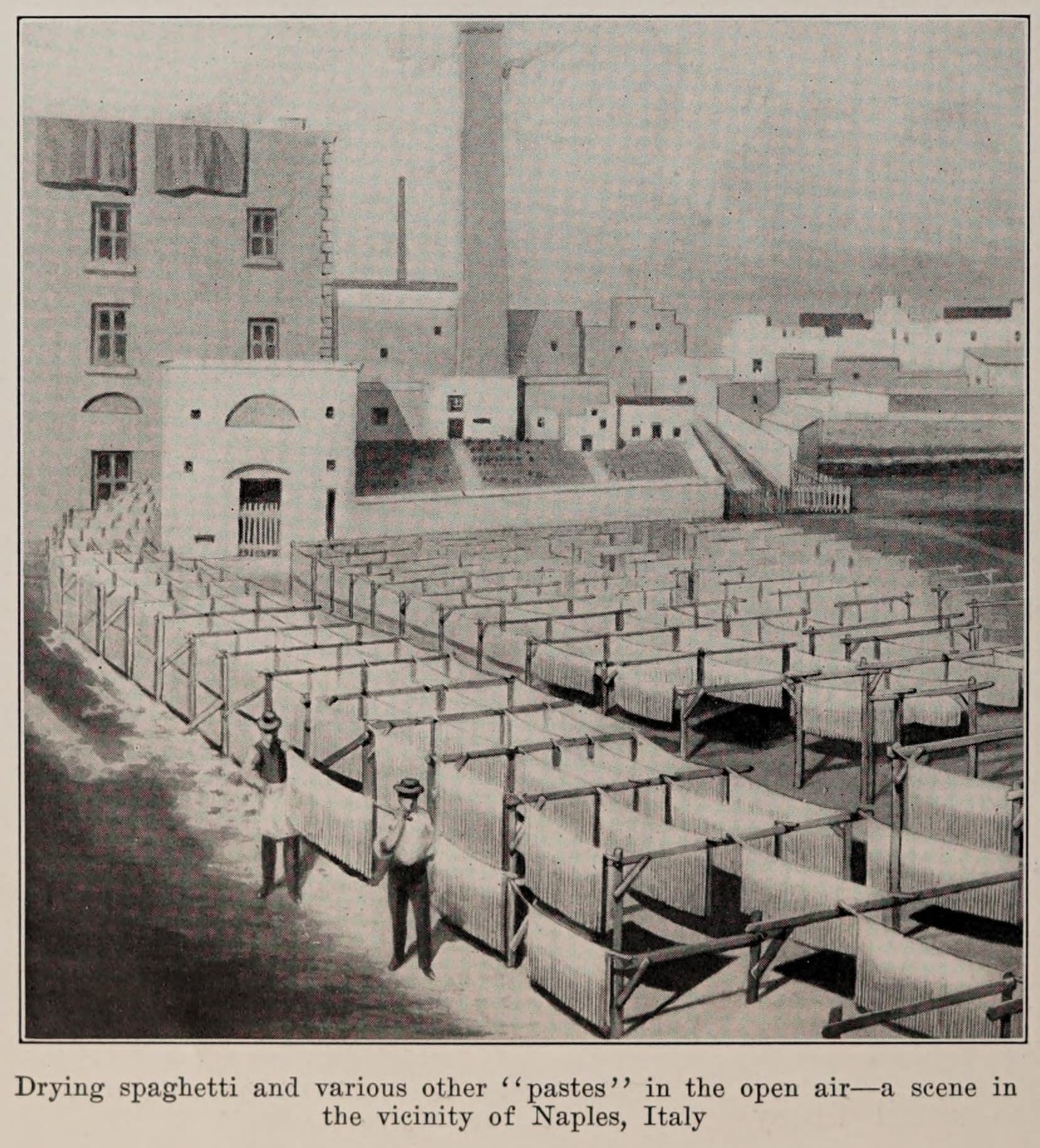
- Spaghetti drying near Naples: Drying spaghetti, from The Encyclopedia of Food by Artemas Ward, public domain, via Wikimedia Commons.
- Pecorino Romano: Pecorino romano cheese by Jon Sullivan, public domain, via Wikimedia Commons.
- Egg yolk: Egg yolk by Aline Ponce, CC0, via Wikimedia Commons.
- Black pepper: Tellicherry Black Peppercorns by Misterneedlemouse, CC0, via Wikimedia Commons.
- Illustrations: © GR Stories.