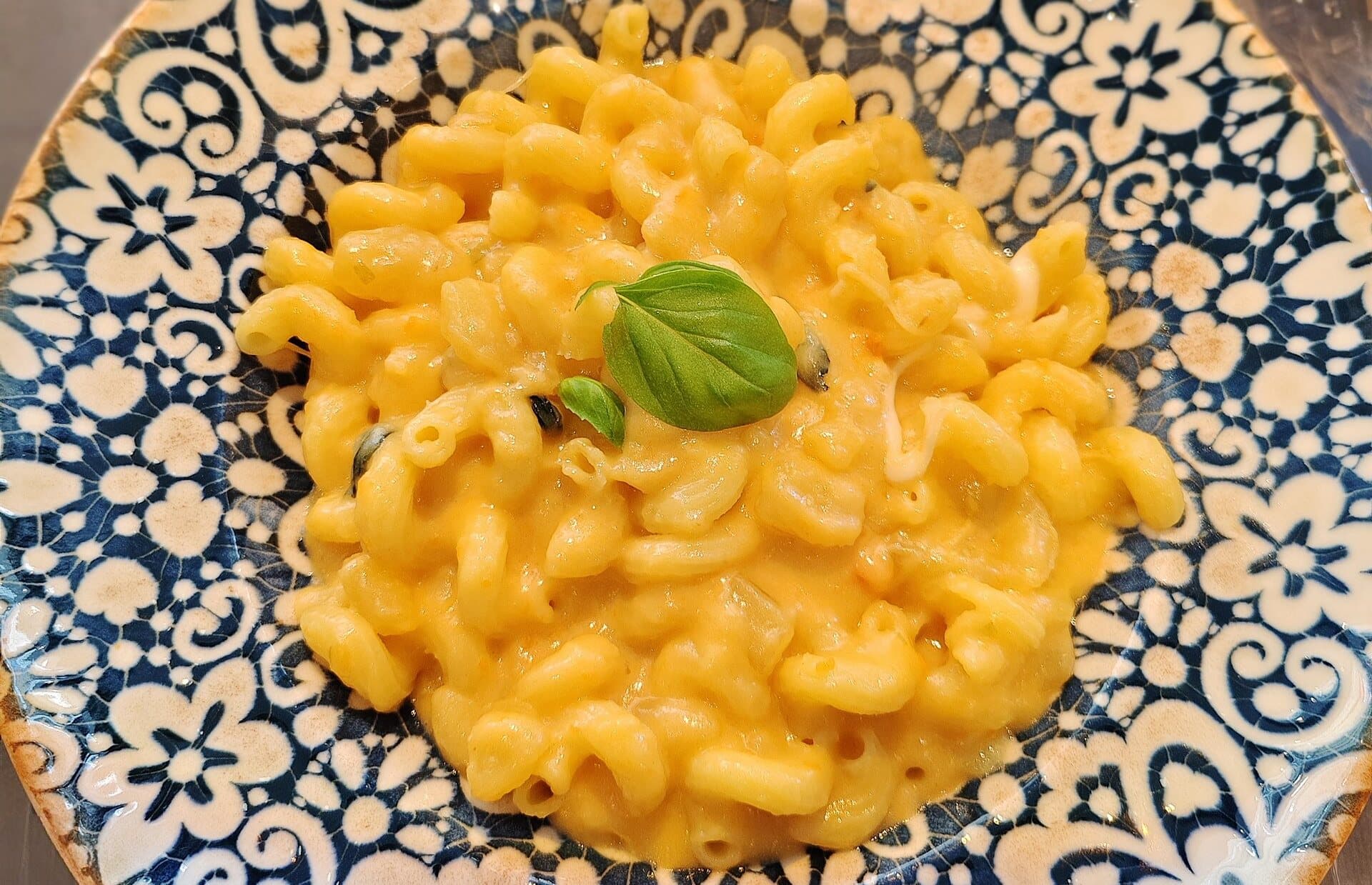
Ask someone from Naples what they cook when the weather turns cold, money is tight or they simply need comforting, and there is a good chance the answer will be pasta e patate. It is exactly what it sounds like, pasta and potatoes, and it is one of those dishes that look far too plain on paper and turn out to be impossible to stop eating.
The Neapolitan version is not a soup, and it is not quite a plate of pasta either. The pasta cooks in the same pot as the potatoes, slowly drinking up the liquid, while the potatoes break down into a thick, creamy sauce. At the very end, cubes of smoked provola melt into it and make the whole thing silky and stringy. In Naples, a perfect pasta e patate is called azzeccata: so thick and well bound that it holds together on the plate.
This version follows the pasta e patate published by Il Cucchiaio d'Argento, the classic Italian cookbook first published in 1950. Their recipe is the Neapolitan one: mixed pasta, a little pancetta, a Parmigiano rind and, at the end, smoked provola. It also appears in Il Cucchiaio d'Argento's collection of cheap recipes that cost less than €1.50 a head, which tells you most of what you need to know about why it belongs on this site.
From Leaf-Eaters to Macaroni-Eaters
Neapolitans have not always been the pasta-eaters of Italy. Until the 17th century, the people of Naples were nicknamed mangiafoglie, "leaf-eaters", because their everyday food was built around greens, cabbage and broccoli above all, eaten with bread and, when they could afford it, meat. The title of mangiamaccheroni, "macaroni-eaters", belonged to the Sicilians.
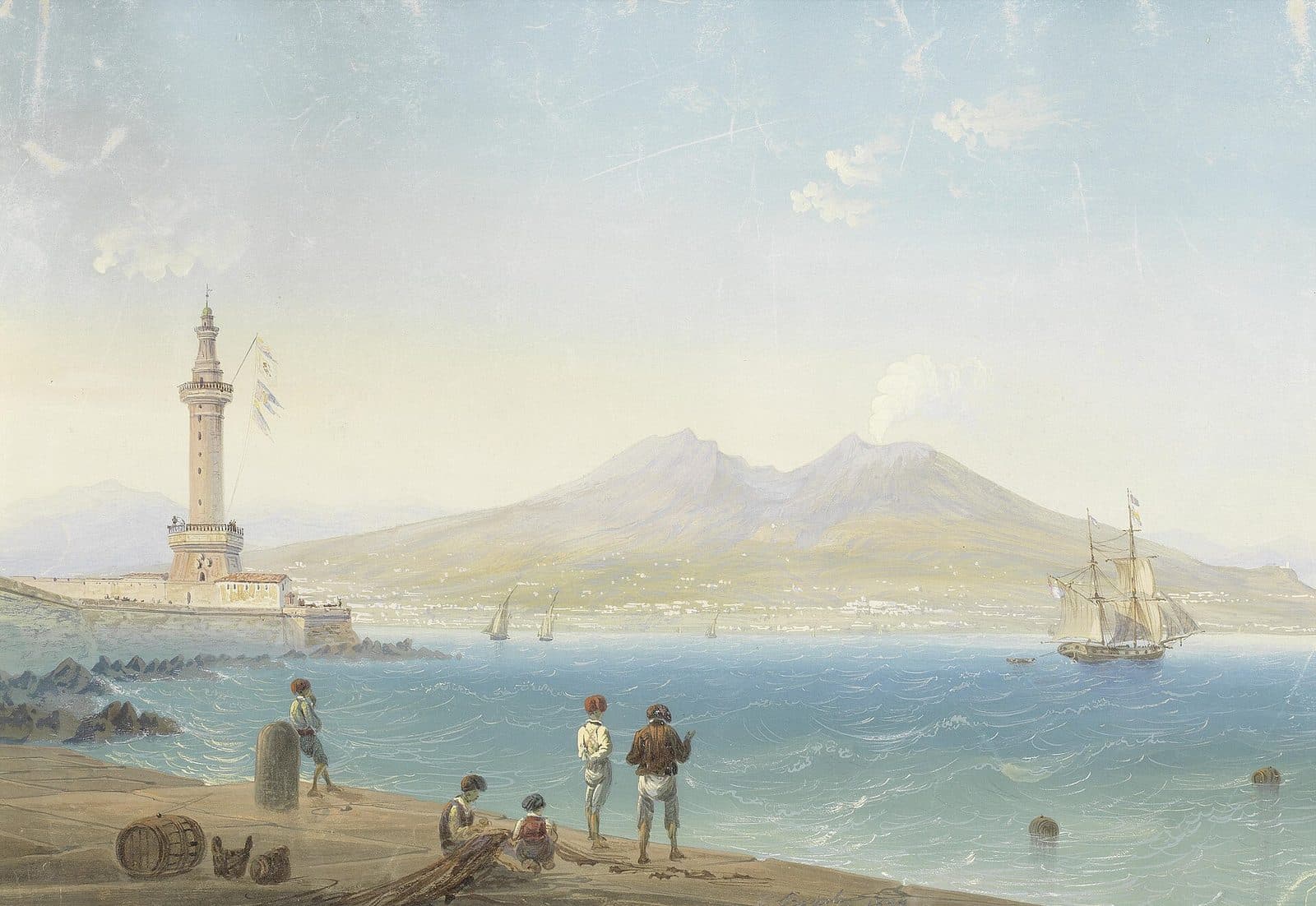
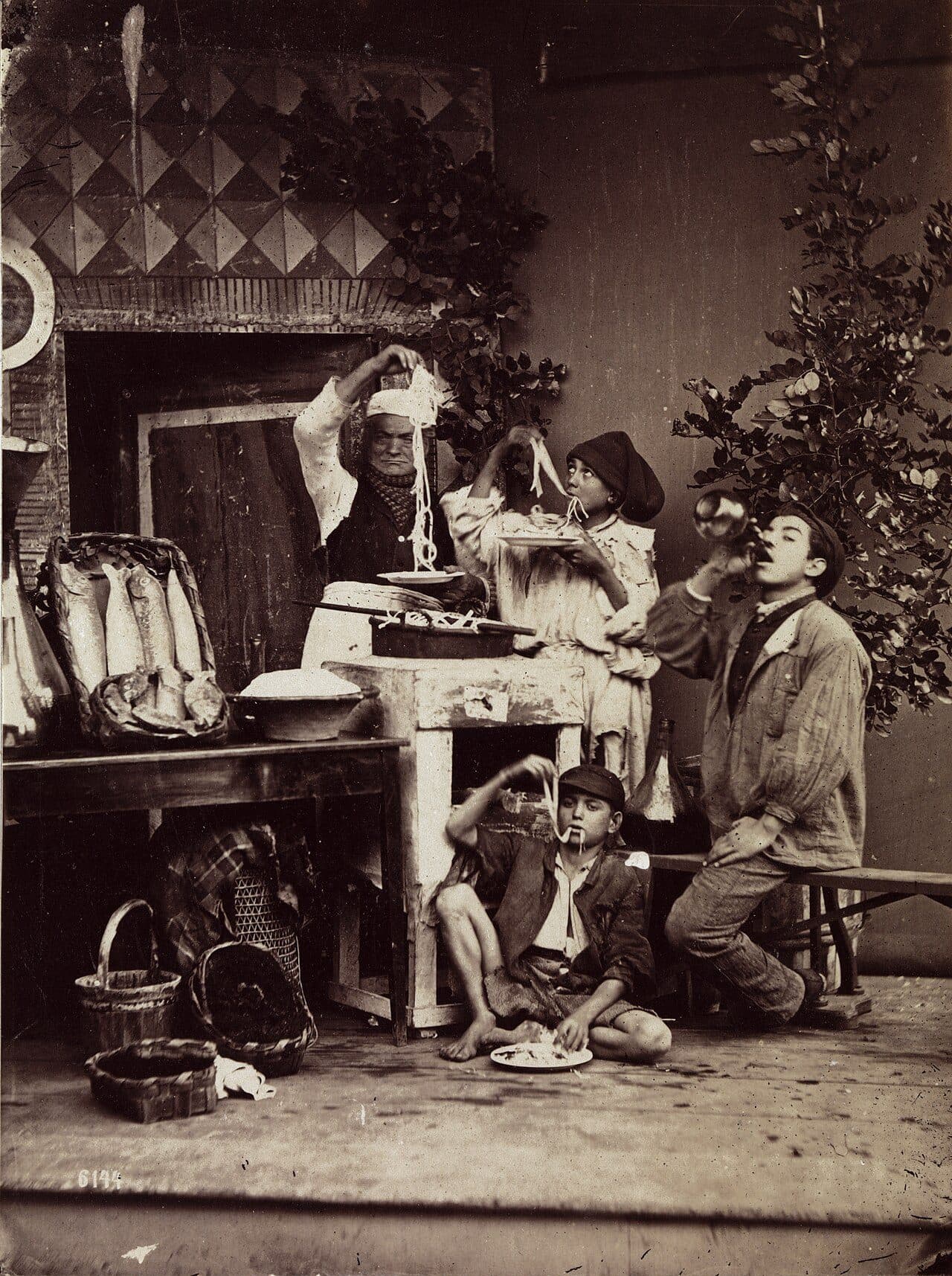
That changed between the 17th and the 18th century. Naples grew into one of the largest cities in Europe, famines and Spanish rule made meat scarce and expensive, and new machines for kneading and pressing dough made dried pasta far cheaper to produce. Pasta became the food of the whole city, and the nickname moved to Naples for good. The historian Emilio Sereni told the story in a 1958 essay whose title says it all: the Neapolitans, from leaf-eaters to macaroni-eaters.
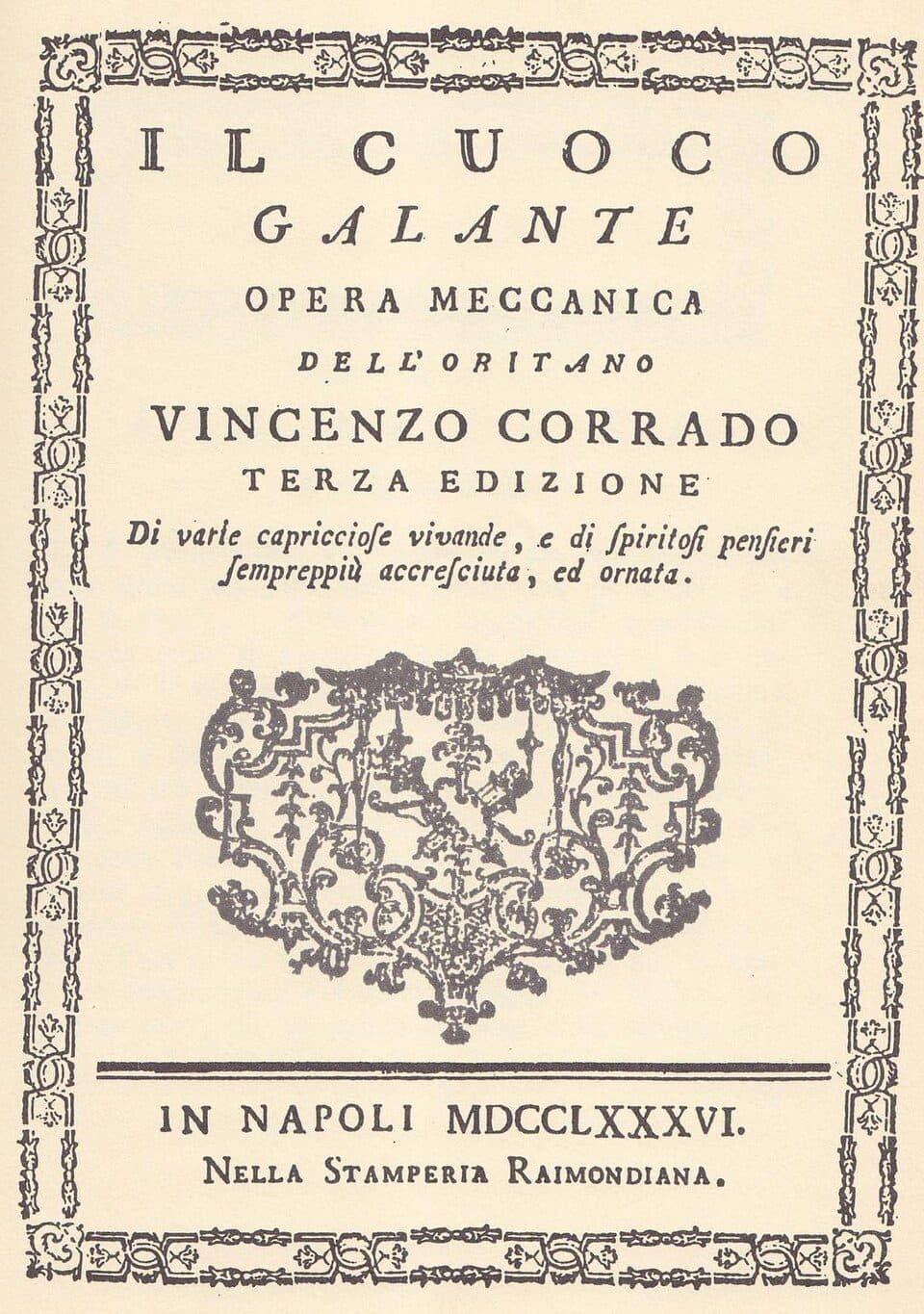
Potatoes reached the Neapolitan table much later. They came to Europe from the Americas in the 16th century and took a long time to win people over. Some food historians date the first written record of pasta e patate to Il Cuoco Galante, published in Naples in 1773 by Vincenzo Corrado, a cook who did a great deal to promote potatoes at a time when many people still did not trust them.
Whatever its exact birthday, pasta e patate is cucina povera, the cooking of the poor, at its most ingenious: two of the cheapest foods there are, a cheese rind that would otherwise end up in the bin, and pasta that was, quite literally, the leftovers.
Munnezzaglia: The Pasta Nobody Wanted
The most Neapolitan thing about this dish is the pasta. Traditionally, pasta e patate is made with pasta mista, a jumble of different short shapes. Il Cucchiaio d'Argento calls it by its old Neapolitan name, munnezzaglia, from munnezza, which means rubbish, because it was originally made from the odds and ends of different shapes left at the bottom of the bags.
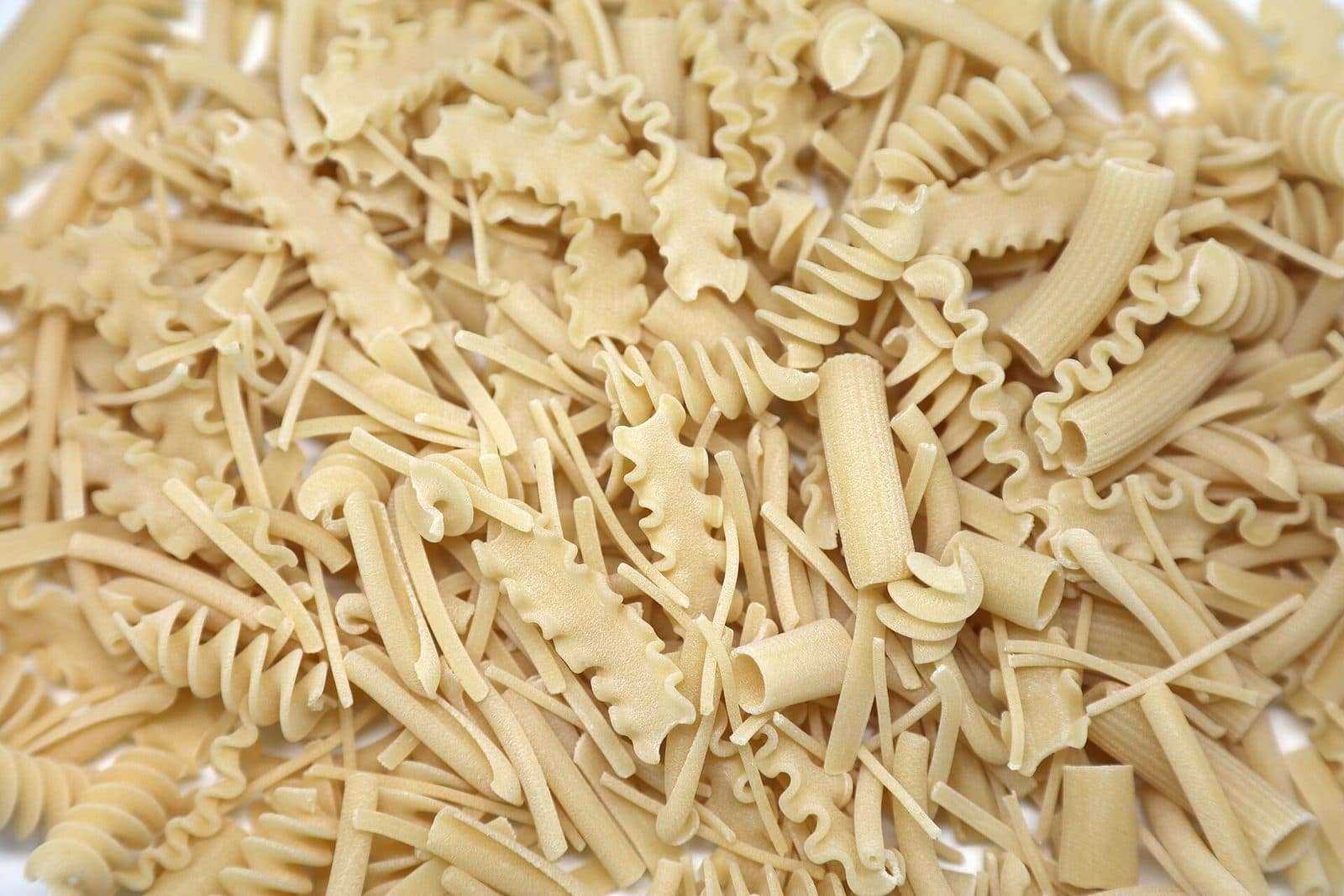
Today pasta mista is sold in packets in Neapolitan supermarkets, but the idea has not changed: nothing goes to waste. If you cannot find it, make your own. It is the perfect excuse to finish the half-empty packets that every student cupboard seems to collect. Just choose shapes with similar cooking times, or add the slower ones a couple of minutes earlier.
Ingredients
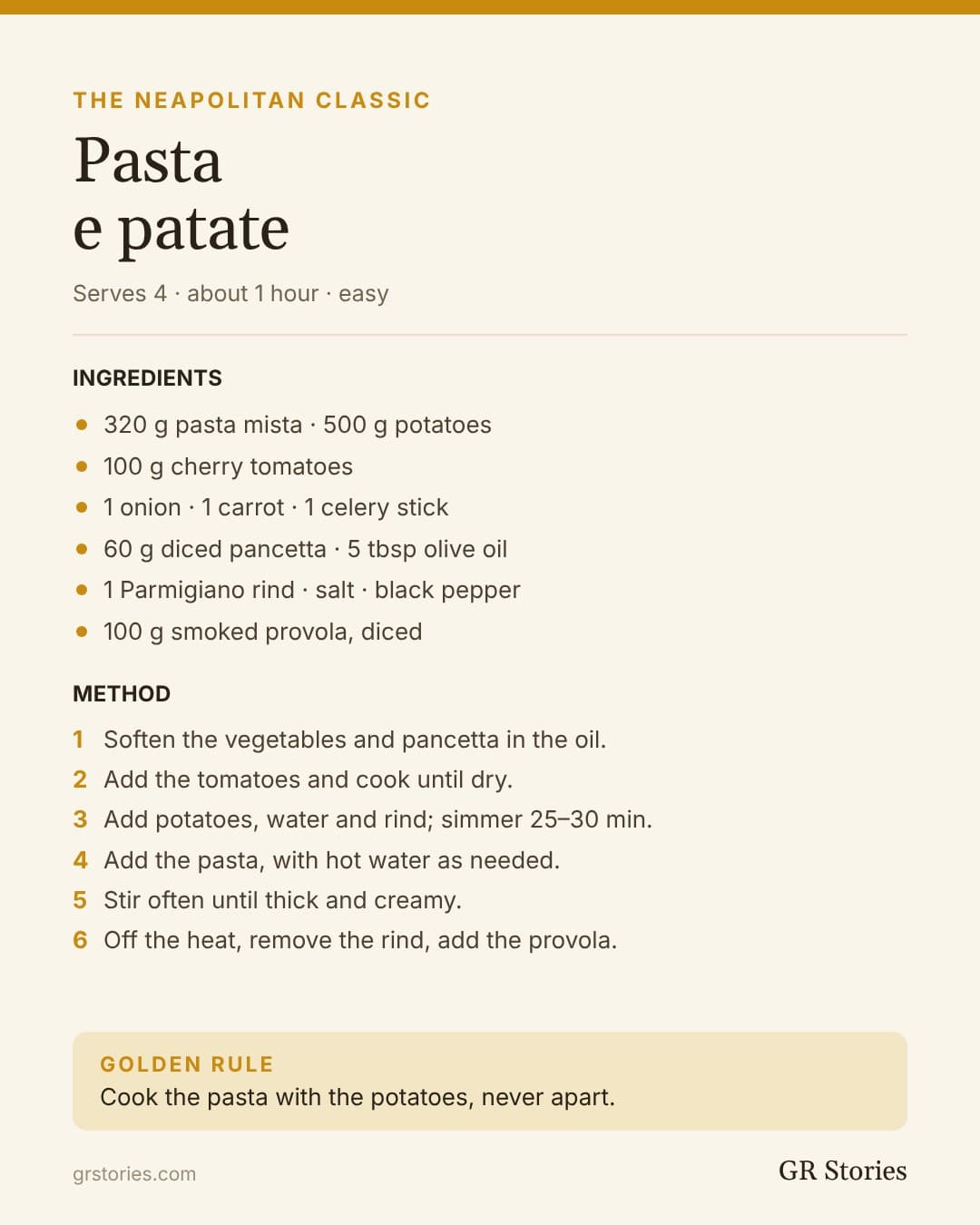
Serves 4. Preparation: 15 minutes. Cooking: about 50 minutes. Difficulty: easy.
- 320 g pasta mista, or a mix of short pasta shapes
- 500 g potatoes
- 100 g cherry tomatoes
- 1 onion
- 1 celery stick
- 1 carrot
- 60 g pancetta, diced
- 5 tablespoons extra virgin olive oil
- 1 Parmigiano Reggiano rind
- Salt and black pepper
- 100 g smoked provola, or smoked scamorza, diced
Il Cucchiaio d'Argento lists the provola as optional. In Naples, it is the part nobody skips.
You will also need a large, heavy-bottomed pot and a kettle of hot water to add as the pasta cooks.
A Note on Ingredients
Potatoes. In Italy, most cooks reach for patate a pasta gialla, yellow-fleshed potatoes that hold their shape but turn creamy at the edges. Any all-purpose potato will do. Cut them small, about 1 cm, so that some of them break down and thicken the sauce.
Smoked provola. Provola is a stretched-curd cheese from southern Italy, made in a similar way to the mozzarella in our caprese, but firmer and drier, and often smoked. The smoked kind gives the dish its unmistakable flavour. Il Cucchiaio d'Argento allows smoked scamorza instead, which is easier to find abroad. Avoid fresh mozzarella: it releases water and makes the pasta soupy.
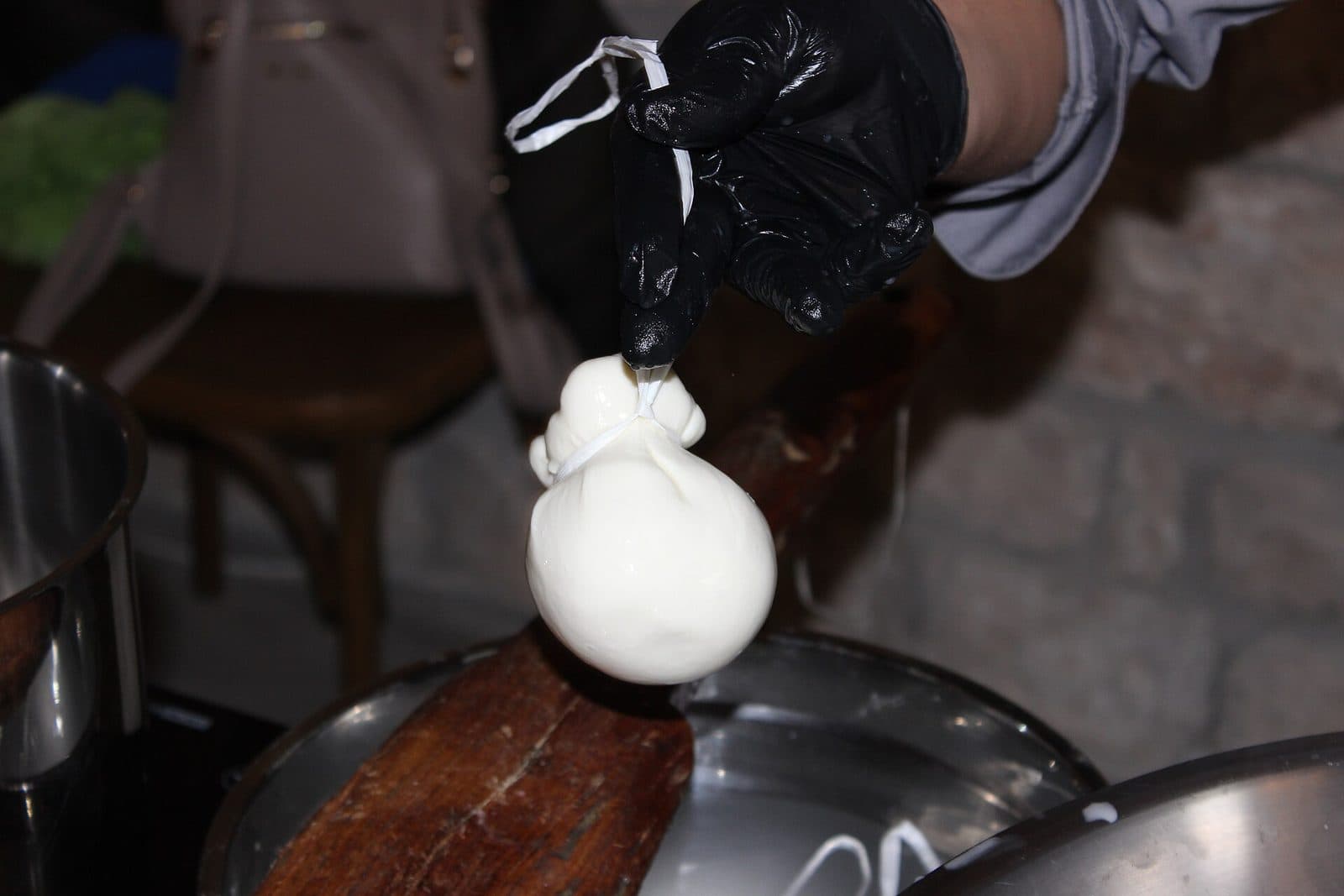
The Parmigiano rind. Italians keep their Parmigiano rinds in the fridge for exactly this kind of dish. Scrub it, scrape off the hardest outer layer and let it simmer with the potatoes: it gives the cooking liquid a deep, savoury flavour. Fish it out before serving.
Pancetta. Il Cucchiaio d'Argento uses pancetta tesa, flat (unrolled) pancetta, in small cubes. Plenty of Neapolitans make the dish without it. For a vegetarian version, leave out the rind as well, since Parmigiano Reggiano is made with animal rennet, and check the label of your provola for the same reason.
Tomatoes. Just a few, for colour and a hint of acidity. Some Neapolitan cooks use pomodorini del piennolo, small tomatoes from the slopes of Vesuvius, but any good cherry tomato will do.
Method
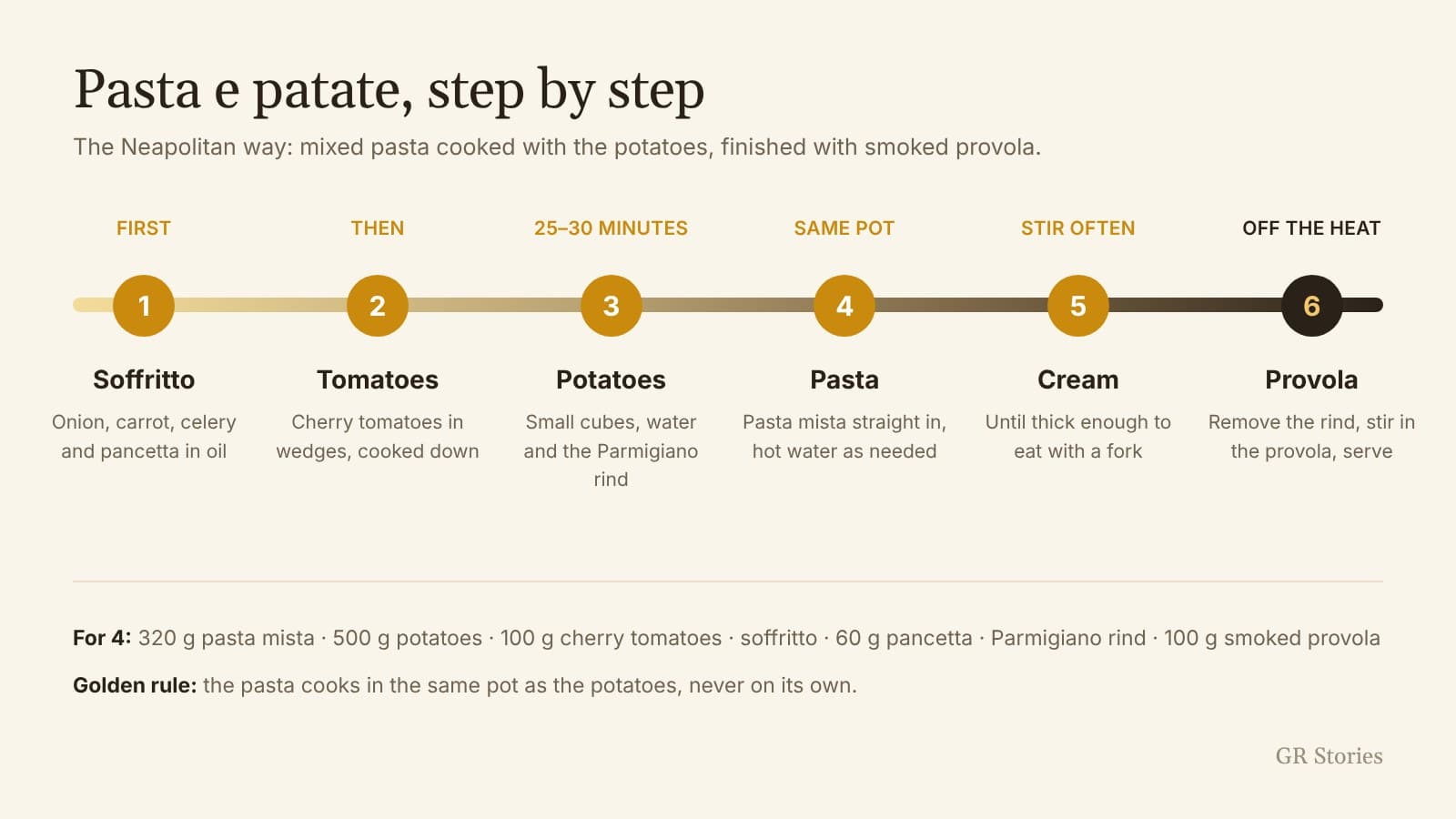
Step 1 — The soffritto
Finely chop the onion, carrot and celery. Put them in a large, heavy-bottomed pot with the pancetta and the olive oil, and cook over a low to medium heat, stirring now and then, until the vegetables are soft and golden and the pancetta has released its fat.
Step 2 — The tomatoes
Add the cherry tomatoes, cut into wedges, and cook until they collapse and their liquid has evaporated.
Step 3 — The potatoes
Peel the potatoes, cut them into small cubes and add them to the pot. Season with salt and pepper, remembering that the pancetta, the rind and the provola will all add salt of their own.
Step 4 — Water and rind
Pour in a couple of glasses of water, bring to the boil and add the Parmigiano rind. Simmer for 25 to 30 minutes, until the potatoes are very soft, stirring every so often and adding a splash of hot water if the pot starts to look dry. Many Neapolitan cooks crush a few cubes of potato against the side of the pot at this point, to make the base even creamier.
Step 5 — The pasta
Add the pasta mista, with another ladle of hot water if needed. Cook over a medium heat for the time given on the packet, stirring often so that nothing sticks to the bottom. Add hot water a little at a time, as you would for a risotto, and only when the pasta needs it. You will see the liquid slowly turn thick and creamy as the pasta releases its starch.
Step 6 — The provola
When the pasta is al dente, take the pot off the heat and remove the rind. Add the diced provola and stir until it melts into long, stringy threads.
Step 7 — Serve
Serve straight away, piping hot, with a little freshly ground black pepper.
How thick is thick enough? The perfect pasta e patate is azzeccata: dense, well bound, closer to a risotto than to a soup. The Italian food magazine Dissapore tells the story of Neapolitan trattorias where the waiters turn the plate upside down to prove that the pasta will not fall off. You do not need to go that far, but aim for something you would eat with a fork, not a spoon.
Leftovers. Pasta e patate is best eaten at once, because the pasta keeps drinking up the liquid as it sits. Leftovers keep for a day in the fridge, in a covered container. Loosen them with a splash of water when you reheat them, and do not expect the provola to string quite like the first time.
Common Mistakes (and How to Avoid Them)
- Cooking the pasta separately. As Il Cucchiaio d'Argento puts it, the one secret of a creamy pasta e patate is that the pasta is cooked together with the potatoes. Boil it apart and mix them later, and you get pasta with potatoes, not pasta e patate.
- Adding all the water at once. You will end up with soup. Add hot water gradually, only when the pot needs it.
- Walking away from the pot. Starchy pasta sticks to the bottom and burns easily. Stir often.
- Cutting the potatoes too big. Small cubes break down and thicken the sauce. Big chunks just sit there.
- Adding the provola on the heat. It turns rubbery and clumps together. Add it off the heat, at the very end.
- Using fresh mozzarella. It is far too watery. Smoked provola or smoked scamorza only.
- Too much salt. Pancetta, the Parmigiano rind and provola are all salty. Season lightly and taste at the end.
The Neapolitan "Pasta e…" Family
Pasta e patate belongs to a large family of Neapolitan dishes in which pasta is cooked together with a vegetable or a pulse until everything turns creamy: pasta e fagioli with beans, pasta e ceci with chickpeas, pasta e lenticchie with lentils, pasta e piselli with peas, pasta e cavolfiore with cauliflower. The method is almost always the same: a soffritto, the vegetable, water, and the pasta stirred in at the end. Once you have mastered pasta e patate, you can cook all of them.
There is even a seaside version, with mussels added to the pot, which Il Cucchiaio d'Argento publishes as minestra di pasta, patate e cozze.
What to Serve with It
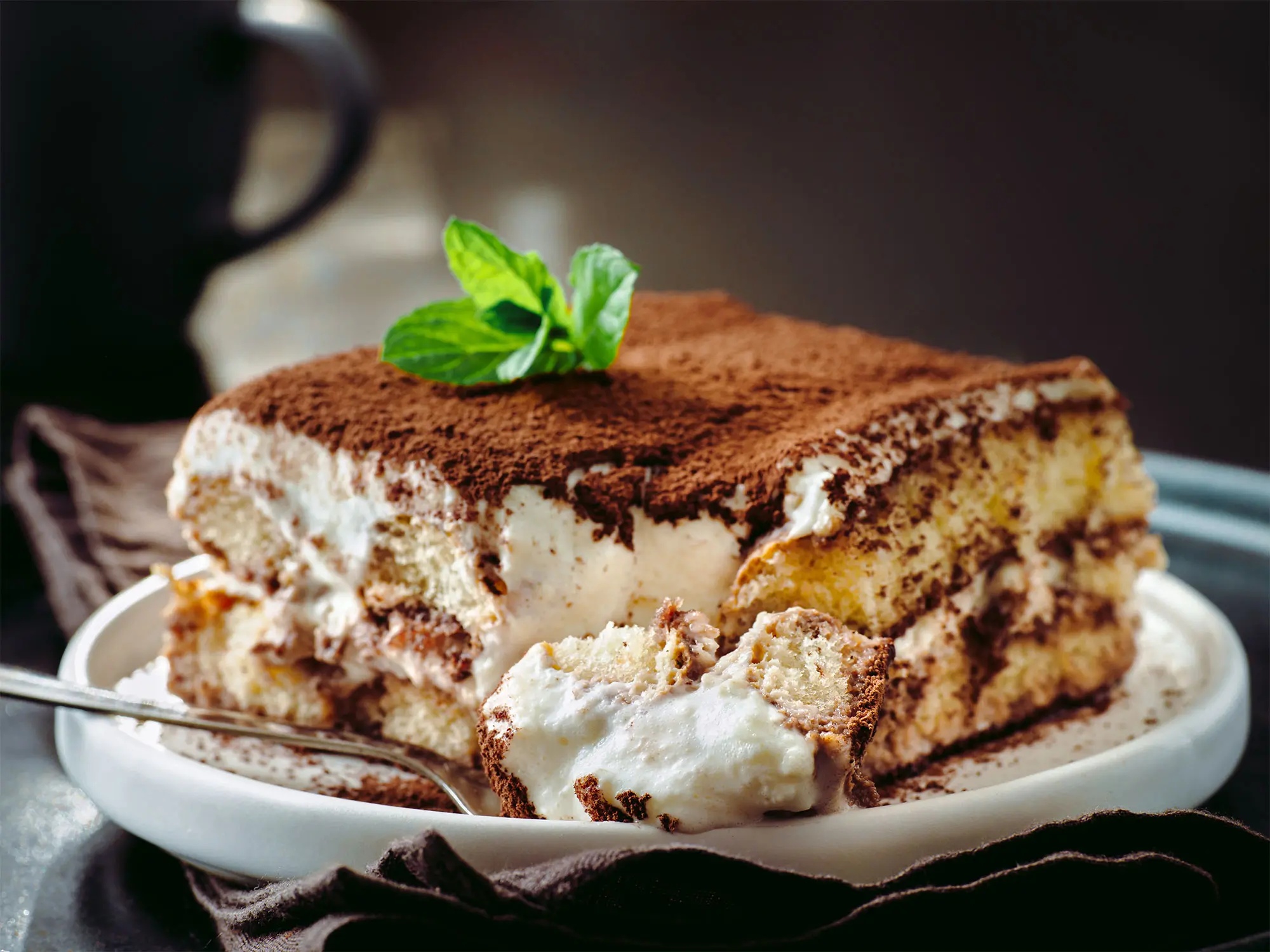
Pasta e patate is a meal in itself, with pasta, vegetables and cheese in one pot, so you need very little alongside it. A simple green salad is plenty. If you are cooking for friends, a tiramisù made the night before is a safe way to finish.
Why This Recipe Belongs in a Student Kitchen
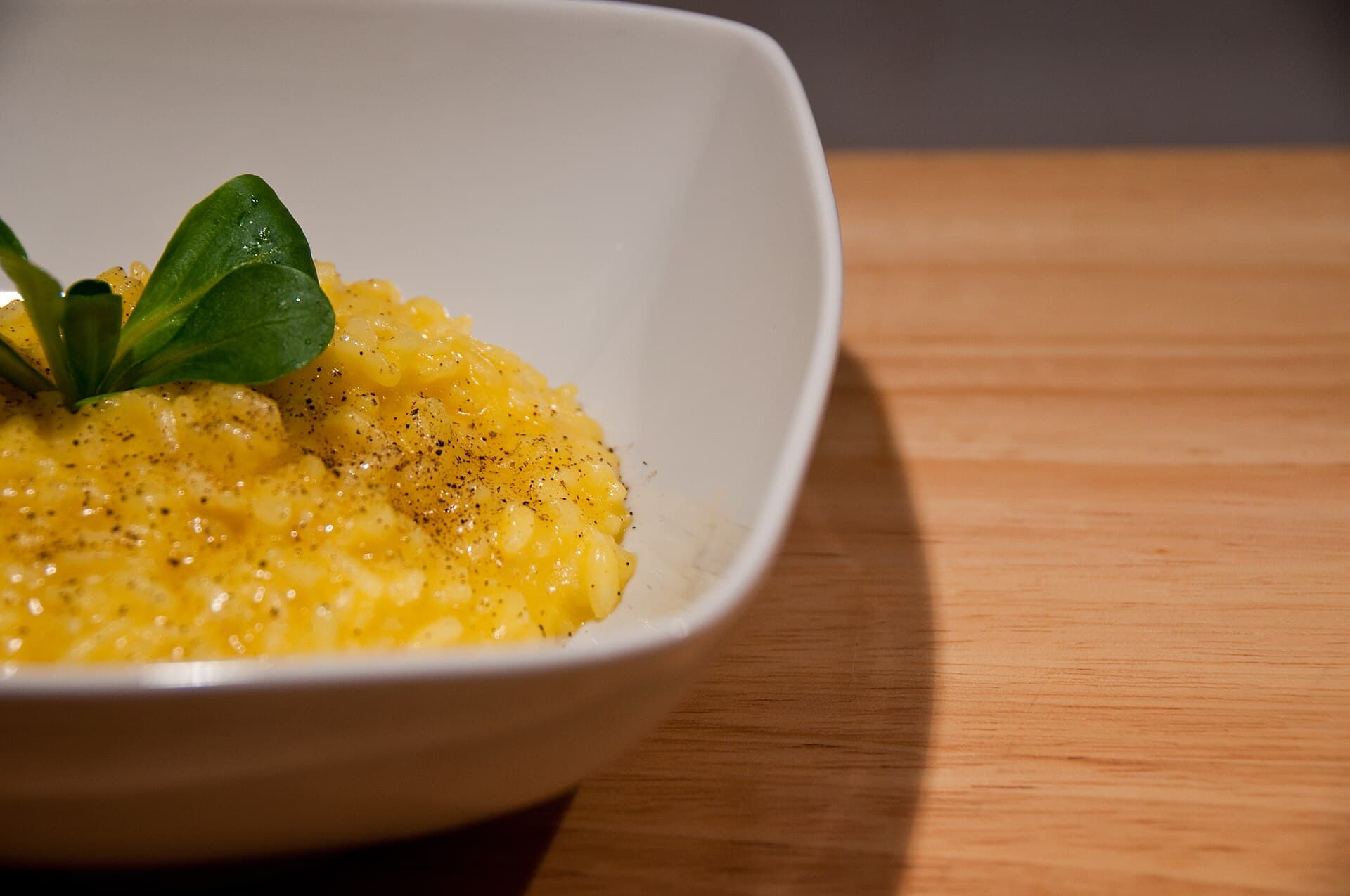
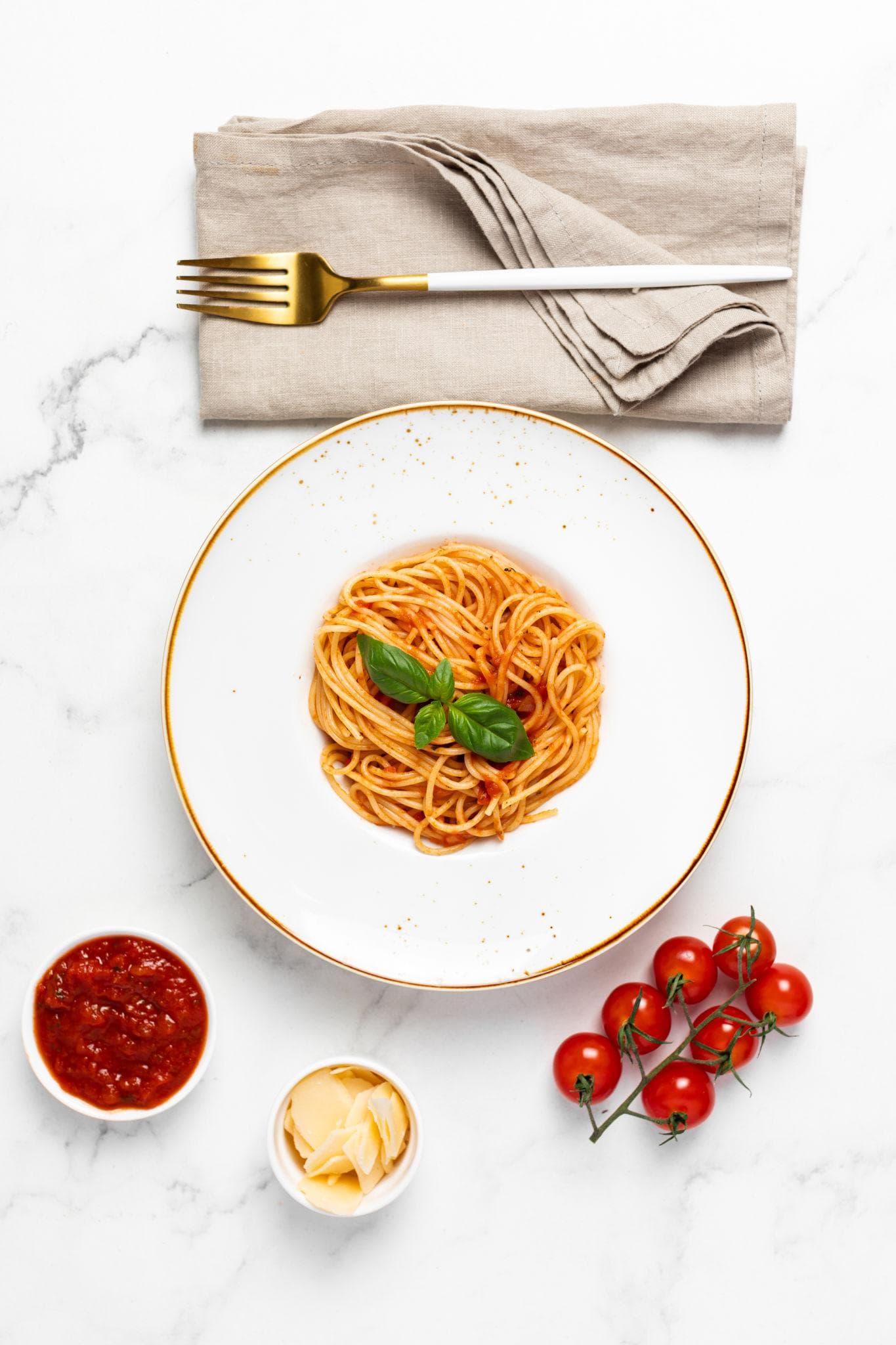
After Rome's carbonara and Milan's risotto allo zafferano, it is Naples' turn. Naples already gave us spaghetti al pomodoro; this time it has sent the most student-friendly dish of the lot. It costs less than €1.50 a head, and much of what goes into it is food you might otherwise throw away: the last handfuls of pasta, the rind of a Parmigiano, a few tomatoes past their best.
It needs one pot, so there is only one pot to wash, which in a shared student kitchen is worth a great deal. It is filling and cheap, and on a cold evening a long way from home, few things are more comforting. Neapolitans have been eating it for generations for exactly those reasons.
Sources and Photo Credits
- Recipe: adapted from Il Cucchiaio d'Argento's Pasta e patate.
- Texture, the first written record and leftovers: Pasta patate e provola alla napoletana, Dissapore.
- From leaf-eaters to macaroni-eaters: Napoli: nel segno dei maccheroni and Storia degli spaghetti al pomodoro, parola di Massimo Montanari, Dissapore; Emilio Sereni, Note di storia dell'alimentazione nel Mezzogiorno: i napoletani da "mangiafoglia" a "mangiamaccheroni" (1958).
- Cover: Pasta Patate e Provola by Mojmir Churavy, CC0, via Wikimedia Commons.
- The Gulf of Naples: Il golfo di Napoli, con il Vesuvio in eruzione by Carlo Bossoli, public domain, via Wikimedia Commons.
- Macaroni-eaters: Makkaroniesser by Giorgio Sommer, public domain, via Wikimedia Commons.
- Il Cuoco Galante: Il cuoco galante, photo by Luigi Erario, public domain, via Wikimedia Commons.
- Pasta mista: Pasta mista bulk by Popo le Chien, CC0, via Wikimedia Commons.
- Provola: Provola fresca by 8w9d, CC0, via Wikimedia Commons.
- Illustrations: © GR Stories.